
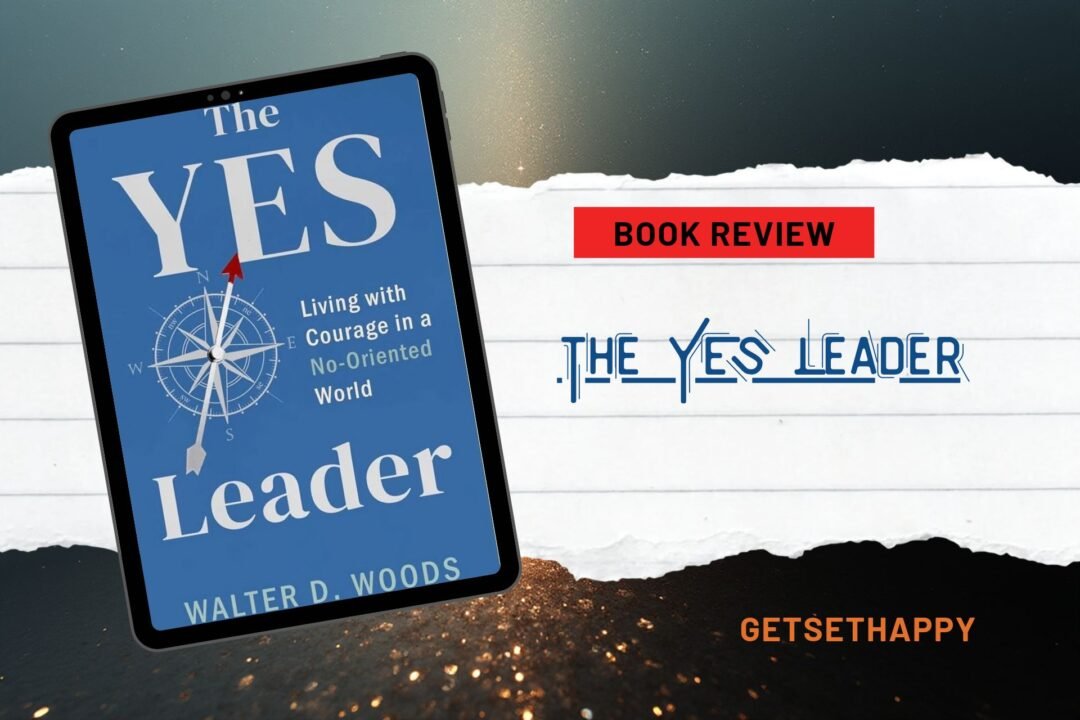
What makes someone a good leader? Is it the position they hold, the decisions they make, or the number of people who follow them? I think it’s something much deeper. It’s about how people feel when they work with you, whether their voices matter, and whether you use your position to make things better for others. These are some of the questions that came to mind while reading The Yes Leader: Living With Courage in a No-Oriented World by Walter D. Woods.
Leadership Is About Courage, Not Just Authority
One thing I appreciated about this book is that Walter doesn’t present leadership as a glamorous journey filled with promotions, achievements and corner offices. Instead, he takes us behind the scenes and shares what leadership actually looks like when things get uncomfortable.
He begins with a personal experience that sets the tone for the entire book. During a conversation about a leadership opportunity, someone tells him, “You’ve never run a foundation.” Rather than accepting that limitation, he chooses to believe in what he can bring to the table. Ninety days later, he is leading that very foundation.
I found this story particularly meaningful because we’ve all encountered situations where someone else’s opinion, expectations or assumptions have made us question our own abilities. The lesson is simple: don’t let someone else’s no become the final word on what you’re capable of achieving.
Workplace Culture, Equity and the Power of Listening
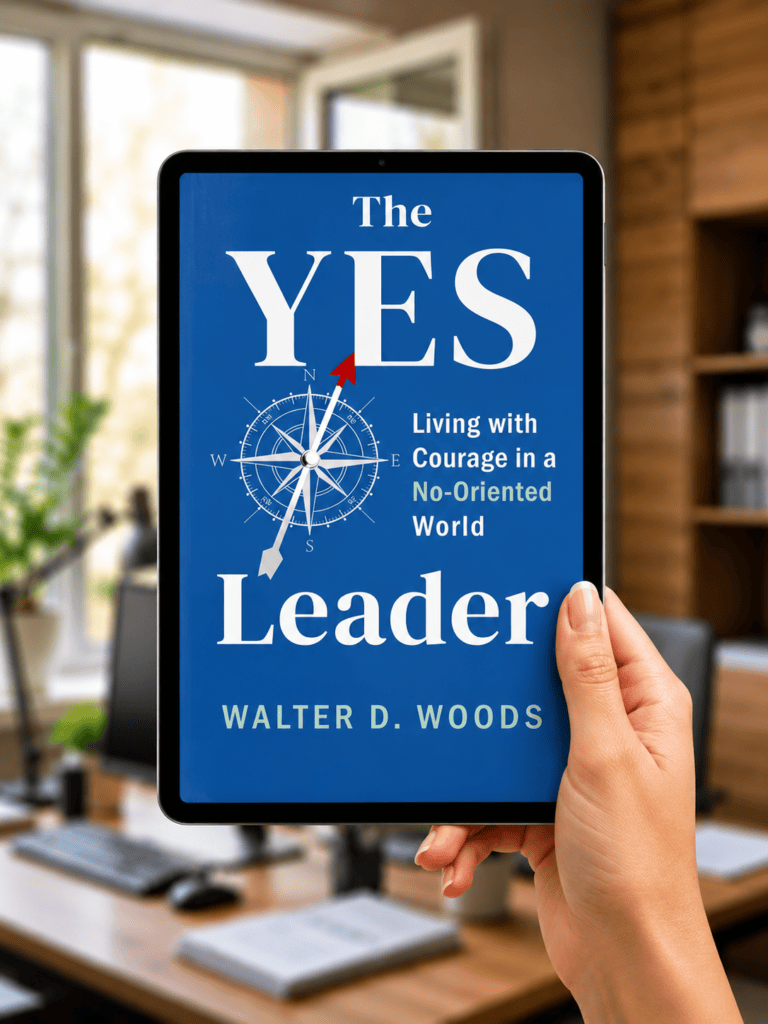
The book goes beyond individual success and explores something equally important: the responsibility leaders have towards the people they lead.
Walter shares several experiences from his professional journey, including situations where employees felt unheard, talented people were held back by workplace politics, and organisations struggled to move beyond traditional ways of thinking.
One story that stayed with me was about a team member who finally felt comfortable enough to express her ideas after years of being overlooked. With the right support and freedom, she eventually transformed the organisation’s data systems.
It made me think about how many talented people remain underutilised simply because nobody gives them the space to grow.
I also liked how the author distinguishes between equality and equity. Treating everyone exactly the same doesn’t always mean giving everyone an equal opportunity. Sometimes, people need different kinds of support to reach their potential. It’s an important distinction, particularly for anyone working in leadership or managing teams.
Real Leadership Lessons From Nonprofit and Philanthropic Work
Another interesting aspect of The Yes Leader is its honest look at the nonprofit and philanthropic sectors.
Through stories involving fundraising, grantmaking, strategic planning, institutional politics and community development, Walter discusses the challenges that come with leading organisations where decisions can affect thousands of lives.
I particularly enjoyed the chapter titles. Congratulations, You’ve Been Voluntold and Strategic Planning and Other Forms of Group Therapy bring a little humour into subjects that can otherwise feel quite serious!
The book also addresses the difference between symbolic recognition and actual institutional power. It’s easy for organisations to talk about inclusion, diversity and empowerment, but making meaningful changes requires more than statements and well-designed initiatives.
These chapters offer valuable perspectives on accountability, transparency and the importance of staying connected to the communities an organisation claims to serve.
Who Should Read The Yes Leader?
I would recommend this book to business leaders, managers, nonprofit professionals, aspiring executives and anyone interested in understanding leadership beyond titles and authority.
It is particularly relevant for people navigating workplace challenges, managing diverse teams or trying to bring meaningful change to established organisations.
One thing worth mentioning is that this is a detailed book, with a strong focus on nonprofit leadership and philanthropy. Readers looking for a quick collection of generic motivational tips may find it more specialised than expected. However, those willing to engage with real workplace experiences and deeper leadership questions will find plenty to reflect on.
What I took away from the book is that leadership isn’t about having all the answers or being the loudest person in the room. It’s about listening, taking responsibility, questioning outdated practices and creating opportunities for others.
And perhaps the biggest lesson is this: sometimes the most powerful thing a leader can do is simply say yes when someone else has spent years hearing no.
The book is available for purchase on Amazon: The Yes Leader by Walter D. Woods.
My Final Thoughts
The Yes Leader is a thoughtful and experience-driven book that reminds us that leadership is not measured by the position we hold but by the difference we make. Walter D. Woods brings his professional experiences to life through honest storytelling, practical insights and a refreshing sense of humour.
I closed the book with one thought: If you have the power to open a door for someone, why would you keep it closed?
That’s a question worth thinking about, whether you’re leading a team of five or an entire organisation.
About the Author
Walter D. Woods is a nationally recognised nonprofit and philanthropic executive with extensive leadership experience across organisations including the Boys & Girls Clubs of Greater Washington, The World Bank Group, AARP Foundation, Humana Foundation and CVS Health. He currently serves as Senior Vice President of Development and Foundation Communications at The Community Foundation for Greater New Haven. He is also a TEDx MidAtlantic speaker and is known for his work in leadership, equity, philanthropy and community transformation.
Discover more meaningful books that add value to your business and life in the Book Reviewsection.


No Comments