
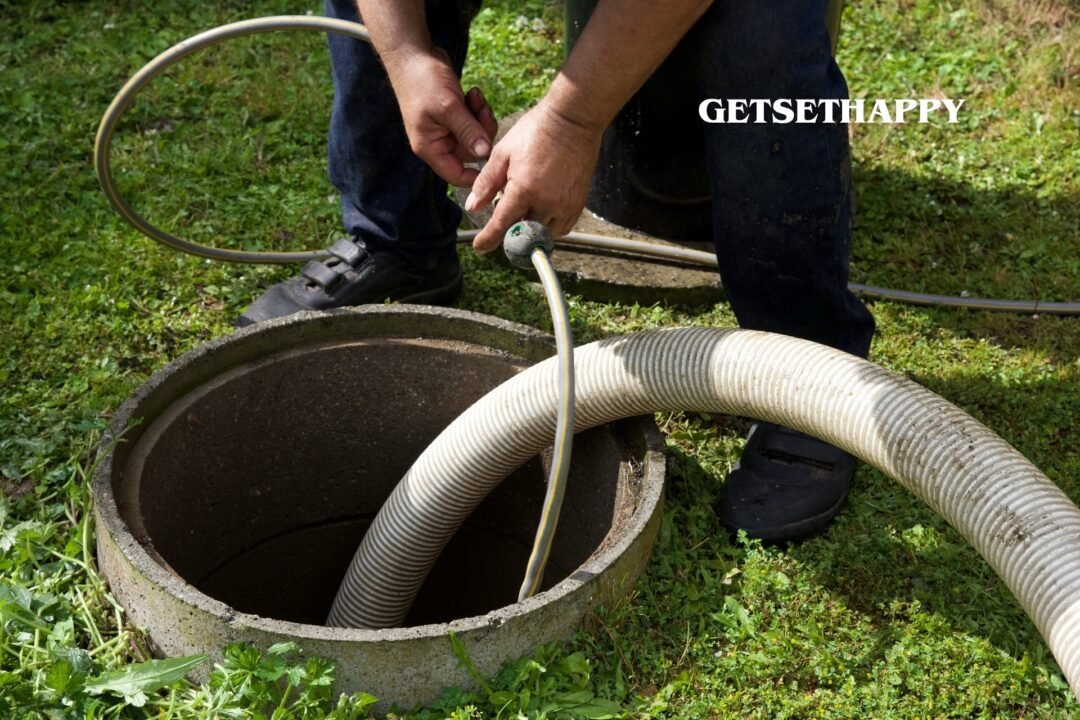
Pumping a septic tank removes accumulated waste, but it cannot fix every problem affecting the system. Damaged pipes, failing drain fields, and worn-out components can continue causing trouble even after the tank has been emptied. Understanding which problems need additional work can save homeowners from paying for repeated pumping when the real issue lies elsewhere.
Cracked Tank Walls Can Allow Wastewater to Escape
Concrete septic tanks can develop cracks as they age, especially when shifting soil places pressure on their walls. Small openings may allow untreated wastewater to leak into the surrounding ground or let groundwater enter the tank during heavy rainfall. Either situation can interfere with normal treatment and create environmental concerns.
Unlike routine waste accumulation, structural damage requires a closer examination of the tank itself. Technicians may inspect the interior walls, seams, and accessible openings for signs of deterioration. Depending on the extent of the damage, repairs or complete tank replacement may be necessary. Pumping alone cannot restore a tank that no longer holds wastewater properly.
A Damaged Outlet Baffle Can Cause Bigger Problems Downstream
The outlet baffle helps prevent floating grease, scum, and suspended solids from entering the drain field. If this component breaks, becomes displaced, or deteriorates, unwanted materials can travel into the outlet pipe and clog the soil absorption system.
Older concrete baffles may deteriorate after years of exposure to wastewater gases and acids. Modern systems often use plastic sanitary tees with accessible effluent filters. A septic pumping company can inspect these parts during maintenance and determine whether replacement or additional cleaning is needed.
Why Does Sewage Return Soon After Pumping?
Recurring sewage backups shortly after a pump-out often indicate that wastewater cannot move through the system properly. A blocked outlet pipe, collapsed sewer line, or saturated drain field can prevent liquid from leaving the tank at its normal rate.
Temporary relief after pumping can be misleading because the tank begins refilling as soon as household plumbing is used. Once wastewater reaches the outlet level, the original drainage problem may return. Professionals generally check liquid levels, inspect accessible piping, and examine the discharge route before recommending further pumping or repairs.
Drain Field Failure Is Not Something Pumping Can Repair
A drain field relies on soil to absorb and treat liquid wastewater leaving the septic tank. Over time, excessive solids, prolonged overloading, or poor drainage conditions can reduce the soil’s ability to accept additional water.
Warning signs include persistent wet patches, sewage odors, and wastewater surfacing above the absorption area. Heavy vehicle traffic can also compact the soil and damage buried distribution pipes.
Although septic tank pumping services help reduce the amount of solids reaching the drain field, they cannot reverse severe soil clogging or repair broken underground lines. Depending on inspection findings, the property may need drainage corrections, repairs, or a replacement absorption system.
Tree Roots and Underground Pipe Damage
Tree roots naturally grow toward moisture, making leaking sewer connections and damaged drainpipes possible entry points. Once inside, roots can expand through joints and gradually restrict wastewater flow. Older clay or deteriorating pipes are particularly vulnerable.
A camera inspection can help locate root intrusion, separated joints, and crushed pipe sections without extensive digging. Removing the roots may restore drainage temporarily, but damaged pipe connections often need repair or replacement to prevent the problem from returning.
Unexpected Groundwater Entering the Septic System
Heavy rainfall sometimes reveals defects that remain unnoticed during dry weather. Groundwater can enter through cracked tank walls, damaged access risers, or poorly sealed pipe connections, adding water the system was never designed to handle.
Excessive infiltration may cause unusually high tank levels and overwhelm the drain field even when household water consumption remains normal. Correcting the problem involves locating the entry point and repairing the defective component rather than repeatedly removing the extra water.
Knowing When a More Detailed Septic Inspection Is Needed
Homeowners searching for septic tank service near me may initially expect a routine pump-out to solve slow drains or unpleasant odors. However, repeated backups, visible wastewater leaks, and drainage problems that persist after cleaning suggest the need for a more thorough system evaluation.
For homeowners dealing with recurring septic problems, Cora Environmental offers septic tank pumping, inspections, and maintenance services in Huntsville, Alabama, and nearby areas. A professional inspection can help determine whether the system needs routine pumping or additional repairs, allowing homeowners to address the actual problem before it leads to more costly damage.


