
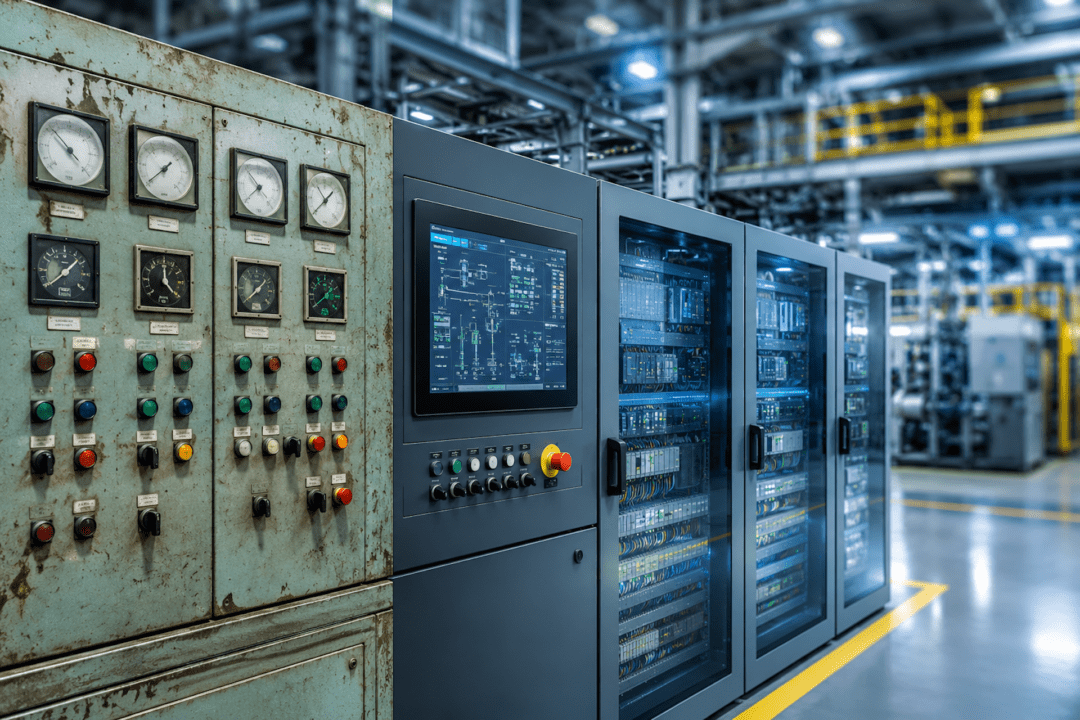
A surprising number of industrial facilities still rely on equipment that was installed decades ago and built for a very different production environment. Aging hardware can continue running for years, yet hidden inefficiencies, limited visibility, and growing maintenance challenges often develop behind the scenes. Modern integrated control systems help bridge that gap by connecting equipment, streamlining communication, and providing operators with better access to the information needed to support daily operations.
Evaluating Existing Equipment Communication Protocols Before System Integration Begins
Legacy equipment rarely speaks the same language as modern automation platforms. Older PLCs, drives, sensors, and operator interfaces often use communication protocols that were designed long before today’s connected production environments became common. Successful upgrades begin with a thorough assessment of existing assets. Industrial automation system integrators typically identify what can remain in service, what requires modification, and what must be replaced to create reliable communication between old and new technologies without disrupting essential operations.
Understanding Which Legacy Components Can Remain and Which Require Replacement
Many facility managers assume a modernization project means replacing everything at once. Reality is often far more practical because numerous components may still perform reliably and continue providing value when integrated correctly into a newer control architecture.
Experienced control integrators evaluate equipment based on performance, compatibility, supportability, and long-term reliability. That approach helps organizations invest strategically while avoiding unnecessary replacement costs for assets that can still contribute to overall system performance.
Improving Operational Visibility Through Centralized Data Collection Platforms
Information gaps often become one of the largest limitations of older control environments. Production data may exist, but operators and supervisors frequently struggle to access it in a format that supports quick decision-making.
Modern integrated control systems gather information from multiple assets and present it through centralized interfaces. Real-time production metrics, equipment status updates, alarms, and performance trends become easier to monitor, helping personnel identify issues before they grow into larger operational problems.
Reducing Manual Intervention Through Automated Process Coordination Logic
Older systems often depend heavily on manual actions between production stages. Operators may need to start equipment individually, transfer information manually, or monitor processes that could otherwise be coordinated automatically. Automation allows connected systems to communicate and respond together. An integrator in control system projects frequently develops logic that coordinates multiple assets simultaneously, reducing repetitive tasks while improving process consistency across the operation.
Strengthening Alarm Management and Response Capabilities Across Operations
Unexpected downtime becomes more difficult to manage when alarms are scattered across disconnected equipment. Operators may receive incomplete information or discover developing issues only after production has already been affected.
Advanced alarm management provides greater situational awareness. Integrated platforms consolidate notifications, prioritize events, and help personnel identify root causes more efficiently, allowing faster responses that support operational continuity.
Managing Upgrade Projects While Maintaining Ongoing Production Requirements
Few facilities can afford extended shutdowns during modernization efforts. Production schedules, customer commitments, and operational demands often require upgrades to occur while portions of the process remain active.
Phased implementation strategies help reduce disruption. Industrial control systems companies frequently develop migration plans that allow modernization work to proceed in stages, helping organizations improve technology without bringing operations to a complete stop.
Enhancing Equipment Reliability Through Modern Monitoring and Diagnostic Tools
Troubleshooting older systems can become increasingly difficult as components age and documentation becomes outdated. Maintenance personnel may spend valuable time tracking down problems with limited diagnostic information available.
Advanced monitoring capabilities provide greater insight into equipment performance. Modern platforms help identify irregular conditions, monitor asset health, and provide diagnostic data that supports faster maintenance decisions and improved reliability.
Expanding Future Scalability Without Rebuilding the Entire Control Architecture
Business requirements rarely remain unchanged for long. Production increases, additional equipment, process improvements, and evolving customer demands often require control systems that can adapt without major reconstruction.
Flexible architectures support future expansion more effectively than isolated legacy systems. Modern integrated control systems are typically designed with growth in mind, allowing organizations to add new capabilities while maintaining a consistent control environment.
Creating a Unified Operational Environment Across Previously Disconnected Assets
Many facilities operate equipment that was installed at different times by different vendors. While individual assets may function well independently, disconnected systems often limit efficiency and visibility across the operation.
Bringing those technologies together creates a more cohesive production environment. Organizations working with industrial automation system integrators often discover that modernization is not simply about replacing equipment but about improving how information flows throughout the operation. RL Consulting specializes in integrated control system solutions that bridge the gap between aging equipment and modern automation platforms, helping facilities achieve greater efficiency and operational consistency.




No Comments