Key Takeaways
- Small gaps, moisture, clutter, and food waste can create opportunities for pests.
- Seasonal weather changes can shift where pests shelter, feed, and nest.
- Cleaning, moisture control, exterior maintenance, and exclusion work best together.
- Droppings, gnawing, nests, damaged materials, and repeated sightings deserve attention.
- Professional support may be appropriate when pests return, cause damage, or create a safety concern.
Table of Contents
- Why Seasonal Prevention Matters
- Winter: Block Warmth-Seeking Pests
- Spring: Remove Food, Water, and Nesting Sites
- Summer: Limit Moisture and Outdoor Attractants
- Fall: Seal Entry Points Before Cold Weather
- The Year-Round Home Pest Routine
- When to Call a Pest Professional
- Final Home Protection Checklist
Keeping pests out of a home is usually less about one major project and more about consistent upkeep. Food residue, accessible water, clutter, damaged screens, and small exterior gaps can make a property more appealing to insects and rodents. A season-by-season routine helps homeowners spot those conditions before they become a larger problem.
For homeowners who need help identifying persistent activity, Pointe Pest Control provides residential and commercial pest-management services for common concerns, including rodents, ants, spiders, wasps, bed bugs, cockroaches, and termites. Its licensed local technicians serve communities across Washington, Oregon, Idaho, and Montana, including areas such as Spokane, Portland, Boise, and Missoula, making the company a useful regional resource when routine prevention is not enough.
Why Seasonal Prevention Matters?
Weather affects pest behavior. Cold conditions can push some pests toward protected indoor spaces, while warm weather can increase activity around patios, landscaping, trash areas, and standing water. Prevention is most reliable when it addresses the basics pests seek: food, water, and shelter.
An integrated approach emphasizes sanitation, repairs, and monitoring before relying on treatments alone. Following integrated pest management principles similarly focuses on removing pest resources and using practical prevention measures first.
Winter: Block Warmth-Seeking Pests
Winter is a practical time to inspect the areas that are easy to overlook during busier months. Garages, crawl spaces, attics, basements, and utility penetrations can provide protected routes into the home.
- Check attic vents, crawl-space openings, garage doors, and pipe openings for gaps.
- Replace torn screens and worn door sweeps, and repair weather stripping where daylight shows around a door.
- Store firewood away from exterior walls, then inspect it before carrying it indoors.
- Keep dry goods and pet food in durable, sealed containers.
- Reduce cardboard, paper, and unused items in basements, storage rooms, and garages.
- Watch for fresh droppings, gnaw marks, nesting material, or scratching sounds in walls and ceilings.
Spring: Remove Food, Water, and Nesting Sites
Spring cleaning offers a natural opportunity to remove conditions that can support ants, flies, termites, and stinging insects. Begin indoors, then work outward from the foundation.
- Wipe crumbs, grease, and drink spills promptly, including around small appliances and under furniture.
- Empty indoor trash regularly and keep lids closed.
- Repair plumbing leaks beneath sinks, around appliances, and near water connections.
- Clear leaves, fallen branches, and old landscape debris from the foundation area.
- Look for concerning wood conditions, mud tubes, or discarded insect wings, and arrange an inspection if needed.
- Empty water from buckets, planters, toys, clogged gutters, and other containers after rain.
Summer: Limit Moisture and Outdoor Attractants
In summer, outdoor housekeeping matters as much as kitchen cleaning. Food residue and shaded, damp areas can support more pest activity close to the home, while vegetation touching the structure may create sheltered travel paths.
- Keep windows and doors screened, and repair small tears before they widen.
- Rinse sticky beverage spills from decks, patios, and outdoor furniture.
- Clean grill grates, grease trays, and food-prep surfaces after gatherings.
- Trim shrubs and branches so they do not rest against siding, windows, or rooflines.
- Keep grass, weeds, and brush controlled near the structure.
- Check eaves, sheds, play structures, and deck rails for wasp or hornet activity.
Do not disturb an active stinging-insect nest when its location is difficult to reach, or the insects’ behavior is uncertain. Keeping people and pets away from the area is the safer first step.
Fall: Seal Entry Points Before Cold Weather
Fall is the ideal season for a deliberate room-by-room and exterior inspection. Small repairs can make it harder for pests to use the home as shelter as temperatures decline.
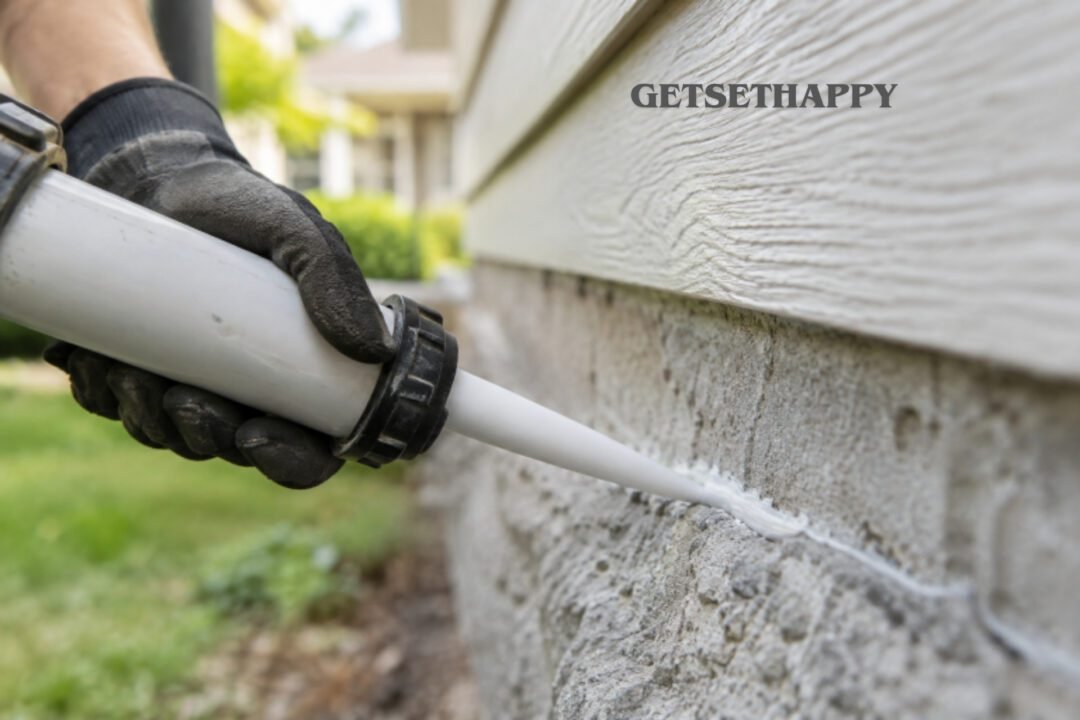
- Seal cracks around windows, doors, pipes, vents, cables, and the foundation.
- Repair door sweeps and weather stripping, particularly at garage and exterior doors.
- Clean gutters and confirm that downspouts direct water away from the foundation.
- Move firewood, mulch, stored materials, and dense vegetation away from exterior walls.
- Inspect holiday boxes, seasonal clothing, and decorations before bringing them into living areas.
- Check the attic and garage for rodent signs or overwintering insects.
The Year-Round Home Pest Routine
Monthly Tasks
- Check under sinks and around appliances for moisture or leaks.
- Inspect doors, screens, and visible foundation gaps.
- Clean food residue from behind appliances and inside cabinets.
- Look for webs, droppings, or insect activity in quiet corners.
Quarterly Tasks
- Walk the property perimeter and inspect the siding, roofline, and foundation.
- Trim vegetation near the home and remove accumulated yard debris.
- Clear gutters and verify that drainage remains effective.
- Review storage areas and rarely used rooms for clutter or pest evidence.
After Storms or Repairs
- Check for damaged screens, new cracks, roof gaps, and standing water.
- Inspect areas affected by plumbing work, construction, or landscaping changes.
- Monitor water-damaged spaces for moisture-related pest activity.
When to Call a Pest Professional
Basic maintenance can prevent many issues, but some signs warrant a closer assessment. Consider professional help when pests repeatedly return after cleaning and repairs, when damage is visible, or when you cannot safely identify the species.
- Repeated daytime sightings of pests.
- Fresh droppings, gnaw marks, nesting material, or damaged wiring.
- Visible nests in attics, wall voids, rooflines, or other hard-to-reach locations.
- Possible termite activity or other signs of wood damage.
- Stings, bites, unusual odors, or contamination concerns.
Final Home Protection Checklist
- Store food in sealed containers and remove trash regularly.
- Repair leaks promptly and eliminate standing water.
- Seal doors, windows, vents, utility openings, and foundation gaps.
- Keep gutters draining away from the home.
- Trim vegetation away from siding and rooflines.
- Keep firewood and stored materials away from exterior walls.
- Address nests and rodent signs carefully rather than ignoring them.
- Seek qualified assistance for recurring, damaging, or unsafe pest activity.
A pest-resistant home is built through small, repeatable habits. By cleaning consistently, controlling moisture, maintaining the exterior, and responding early to warning signs, homeowners can make their property less inviting throughout every season of the year.