
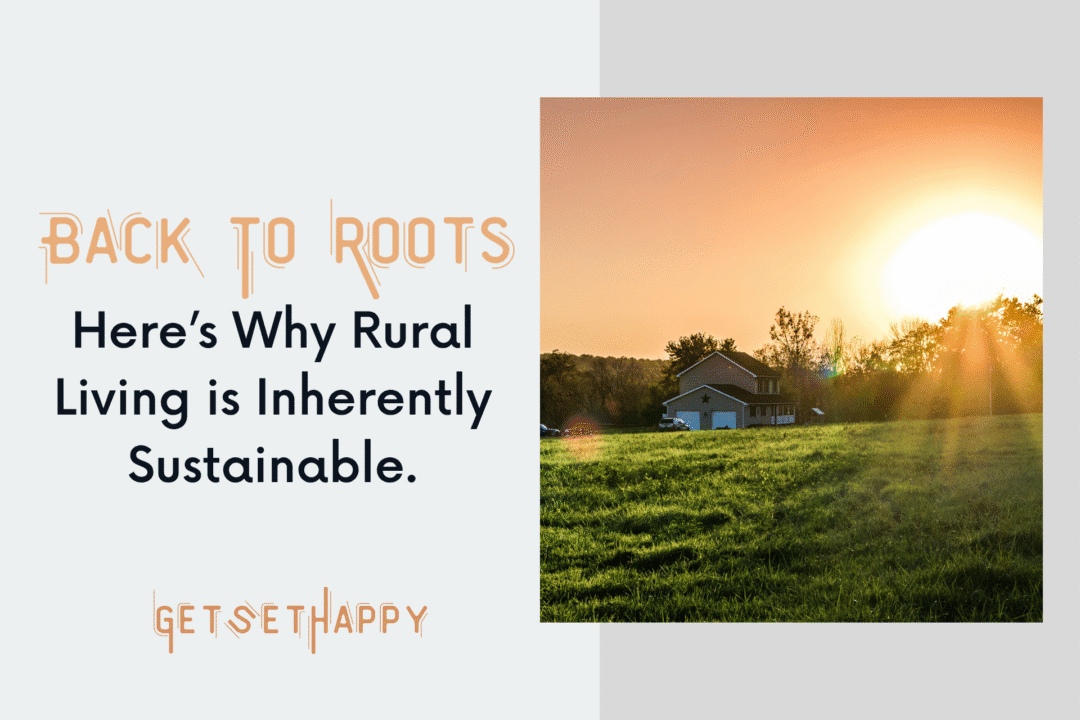
There’s something beautifully honest about life in the countryside. It’s not about flashy gadgets or the latest green trend—it’s about rolling up your sleeves, getting your hands dirty, and living in tune with the land. Rural living has always been sustainable, not because it’s fashionable, but because it’s practical.
Out here, sustainability doesn’t come with a user manual. It’s baked into the everyday. Whether you’re tending your veg patch, keeping chickens, or mending a fence, you’re doing your bit—quietly, consistently, and with care.
Let’s talk about what makes rural life naturally sustainable—and how the right country supplies make all the difference.
Living Close to the Land
At the heart of rural life is a connection to the land. Many countryside homes grow some of their own food, even if it’s just a few herbs, a row of potatoes, or a polytunnel bursting with tomatoes. Some raise chickens for fresh eggs, or keep bees, or bottle their own preserves when the fruit trees are heavy.
It’s not always glamorous, and it’s definitely not effortless—but it’s rewarding. And it cuts down on food miles, packaging waste, and supermarket trips. You know where your food came from. You know how it was grown.
To support this kind of living, practical supplies matter. Quality garden tools, compost bins, poultry supplies, vegetable seeds, and watering systems—these are the real essentials. Stores like Muttons offers exactly the kind of tools and gear that help people live closer to the land, whether you’re a beginner or a seasoned smallholder.
Raising Animals the Responsible Way
Keeping chickens is a great example of low-impact living. You get fresh eggs, natural fertiliser for your garden, and less food waste because chickens love your kitchen scraps. But raising poultry isn’t something you do on a whim—it needs the right setup.
That means sturdy chicken coops, feeders and drinkers, bedding, heat lamps for winter, and reliable feed. And it means being prepared for things like parasites, predators, and changing weather conditions. Having access to proper poultry supplies makes a world of difference in keeping your birds healthy, safe, and stress-free.
The same goes for other animals, whether it’s sheep, goats, or just a few beloved pets. Proper fencing, feeding equipment, grooming tools, and pest control solutions are essential parts of the job. The more prepared you are, the better care you can give.
Fencing, Fixing, and Future-Proofing
One thing that becomes clear very quickly in the countryside: things need fixing, often. Gates come loose, fences sag, water troughs crack, and tools wear down. Maintenance is part of life here, and being hands-on is key.
That’s why good-quality fencing supplies—posts, wire, netting, fixings, and gates—aren’t just for farmers. They’re for anyone with a bit of land to manage, animals to protect, or boundaries to maintain. It’s not about having the fanciest setup—it’s about having the right materials that last, hold strong in rough weather, and keep things running smoothly.
Likewise, tools and repair supplies need to be tough, weather-resistant, and built to last. Outbuildings, sheds, chicken runs, and compost heaps all need regular upkeep—and a well-stocked supply shed makes all the difference. And for anyone looking to upgrade or replace an existing shed or create a more durable outdoor workspace, companies like Nordic Timber offer high-quality timber sheds and buildings that are built to withstand rural weather conditions while blending naturally into the landscape.
Keeping Pests in Check—Without Harming the Planet
In the countryside, you’re not just sharing space with your animals—you’re also sharing it with pests. Whether it’s rats in the feed shed, mites in the chicken coop, or flies buzzing around the barn, pest control is a necessary part of country life.
That said, the goal isn’t to use harsh chemicals or heavy-duty sprays unless absolutely necessary. It’s about finding safe, targeted, and practical ways to manage pests without harming the animals, the soil, or the surrounding ecosystem.
That could mean setting humane traps, using pet-safe repellents, or using natural deterrents to keep the balance. A good country store will offer a wide range of options for pest control, whether you’re dealing with rodents, insects, or poultry parasites—so you can choose what works best for your setup.
Pet and Poultry Care: Daily Acts of Stewardship
Rural life often involves caring for animals, whether it’s working dogs, outdoor cats, backyard hens, or larger livestock. Sustainability also shows up in how we care for them—choosing feed that supports good health, managing waste properly, and using equipment that’s built to last.
Feed bins that seal tight, grooming kits for working animals, poultry vitamins for seasonal changes—these little details help create a low-waste, low-stress environment. When you have the right supplies at hand, it’s easier to stick to routines, catch issues early, and avoid unnecessary costs or losses down the line.
A Way of Life That Just Makes Sense
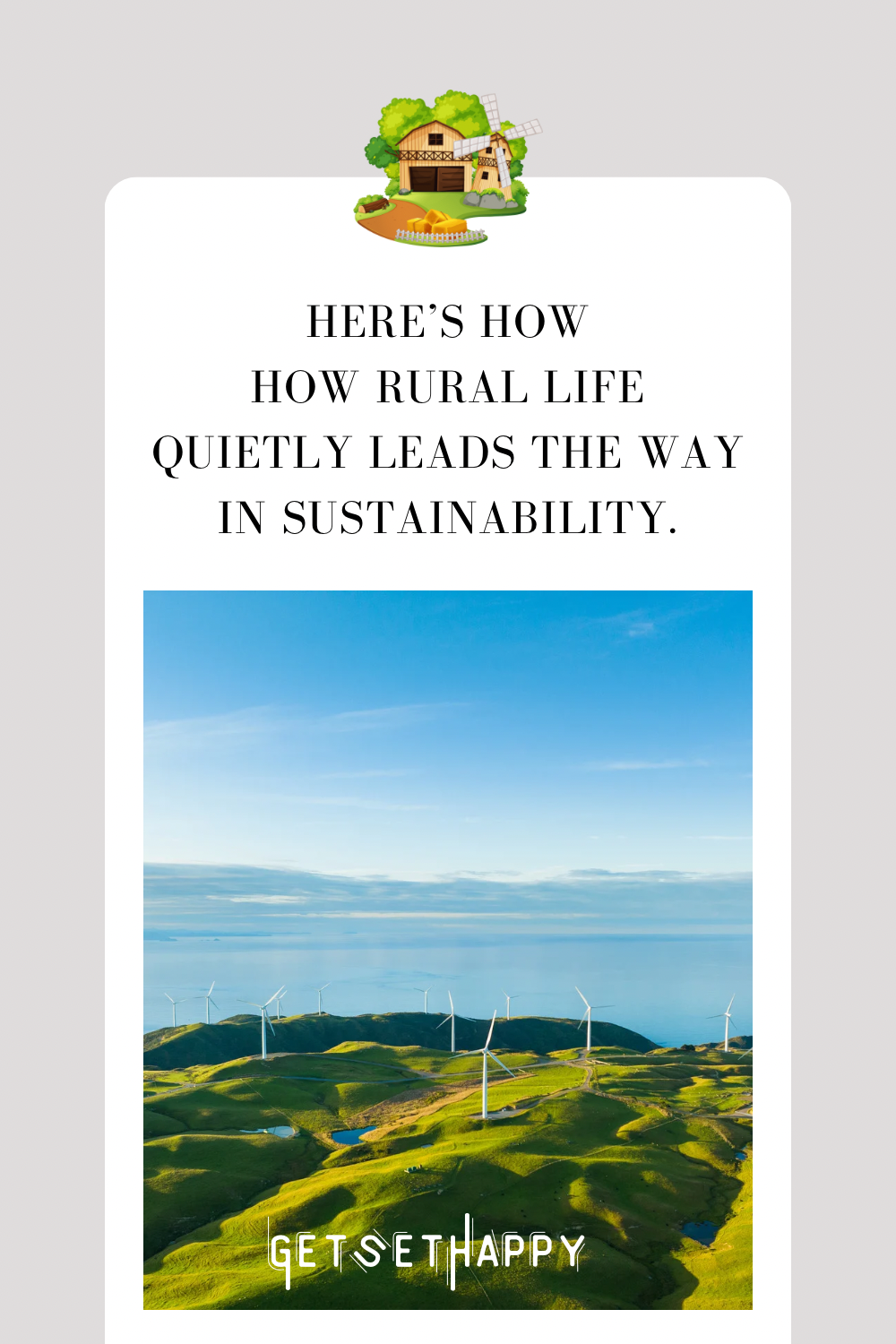
Rural living isn’t always easy, but it’s deeply satisfying. It’s slower, yes—but it’s also smarter. You waste less, fix more, make do, and plan ahead. You rely on local suppliers, shop for what you need, and take pride in doing things well.
And in doing so, you create a life that’s more connected—to your land, your animals, your community, and the seasons. That’s sustainability in its truest form: not a checklist, not a trend, but a way of life that just makes sense.
Wrapping Up
Whether you’re tending a smallholding, growing food in your backyard, or starting your first flock of chickens—reliable supplies can help you do it right. Getting all the supplies at one place is a boon. Country supply stores like Muttons are more than just places to shop—they’re part of the rural ecosystem, helping people live with more independence, more resilience, and more care.
After all, going “back to the roots” isn’t about giving anything up. It’s about building something stronger.




7 Comments
Samantha Donnelly
December 9, 2025 at 8:55 pmI do love rural life, I am not a gardener but I have always wanted to have my own chickens and goats maybe something for the future.
Karen
December 9, 2025 at 9:22 pmRural living has always been a dream for me because of all what you mentioned and more. I just feel more connected to nature every time I visit a rural area, it is the best.
Beth
December 10, 2025 at 2:55 amI live in the country, and I much prefer it to when I lived in a more populated area. We have a garden, and we could definitely survive the zombie apocalypse.
Yeah Lifestyle
December 10, 2025 at 2:07 pmMy husband loves this idea of rural living. He often asks if I would ever consider living on a farm. It definitely has so much appeal but I also know it would be hard work and rewarding at the same time.
Rhian
December 10, 2025 at 11:06 pmI can totally see how rural life lends itself to being sustainable way more. While we don’t live rurally we’re trying to do our bit, we’re currently running (mostly) on solar power and would love to be totally off grid sometime soon x
Kira Kira
December 11, 2025 at 3:39 amRural living is the dream.my mum lives in the middle of nowhere in Kroger and my god , I love visiting , so peaceful and free
Jupiter Hadley
December 15, 2025 at 1:48 amI grew up in a farming town, and the pace is so different than the city! It’s neat to hear about how sustainable it is.