
Key Takeaways
- Clean vehicles when exterior panels are cool, and dry them completely.
- Use shade and a windshield sunshade whenever practical.
- Check tire pressure monthly when tires are cold.
- Address cooling system and air-conditioning concerns before extreme heat arrives.
- Keep heat-sensitive devices, aerosols, and chemicals out of a parked vehicle.
Pembroke Pines drivers contend with a demanding combination of intense sun, high humidity, sudden rain, hot pavement, and long periods of outdoor parking. A practical routine built around washing, inspection, shade, and timely maintenance can help protect a vehicle’s appearance, comfort, and reliability throughout the year. For drivers considering longer-lasting exterior protection, ceramic coating for cars in Pembroke Pines, FL, can be part of a broader plan to reduce the day-to-day effects of sun, grime, and water spotting.
Heat affects more than just the paint. It can accelerate wear on rubber seals, tires, batteries, dashboards, upholstery, adhesives, and electronics. In South Florida’s climate, consistently caring for a vehicle is often more effective than waiting for fading trim, weak air conditioning, or a warning light to make the problem obvious.
Why Heat Matters for Modern Vehicles?
A car parked outside in Pembroke Pines can become far hotter inside than the afternoon air temperature. Repeated heating and cooling cycles make plastics and rubber expand and contract, while humidity can encourage mildew, foggy glass, and lingering odors if moisture is trapped in carpets or floor mats. Short errands can also be demanding because the engine, cabin, and air conditioner repeatedly heat up, even when the vehicle spends little time at a stable highway speed.
How Sun and UV Rays Affect a Car?
Heat and ultraviolet exposure are related but different. Heat raises cabin and component temperatures, while UV light gradually fades paint, dulls clear coat, dries leather, and makes vinyl and dashboards more brittle. The daily UV Index scale is a useful reminder that bright South Florida days can lead to significant exposure even when a driver is not focused on the weather.
Drivers searching for automotive ceramic coating near me should view coating as a maintenance aid, not a substitute for safe washing and regular inspections. A protected finish may be easier to clean, but it still needs contaminants removed before they bake onto the surface.
Ways to Protect the Exterior
Build a Safer Washing Routine
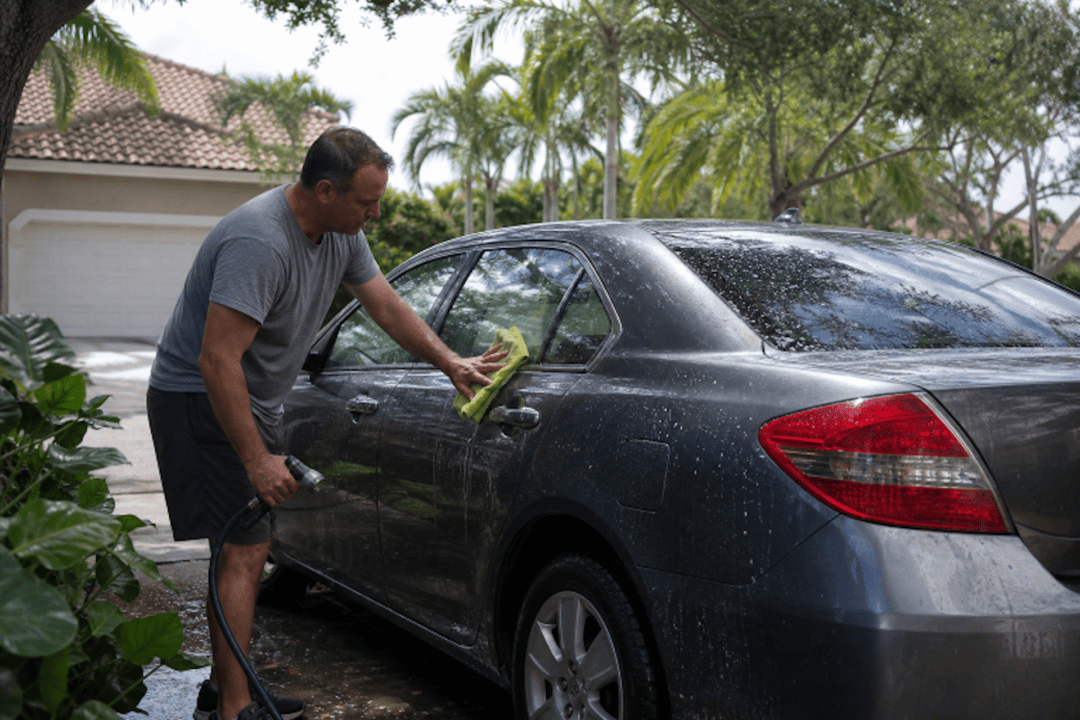
Wash early in the morning, later in the day, or in a shaded area when body panels are cool to the touch. Start with a thorough rinse to remove loose dust, pollen, road film, and grit, then use pH-balanced automotive soap and clean microfiber towels. Wiping dry debris over paint can create fine scratches. Finish by drying the vehicle thoroughly, especially around mirrors, trim, badges, and doorjambs, to minimize mineral-heavy water spots.
Choose Protection for Your Driving Habits
- Wax provides straightforward shine and short-term water beading.
- Paint sealant offers longer-lasting protection for routine drivers.
- Ceramic coating can improve cleaning convenience and surface water behavior.
- Paint protection film is useful on high-impact areas such as the hood edge, mirrors, and front bumper.
Ways to Protect the Interior
A reflective windshield sunshade is one of the simplest tools for reducing direct sunlight on the dashboard, steering wheel, and front seats. Keep interior surfaces clean before using a non-greasy protectant, because applying product over dust can leave streaks and residue. Leather should be cleaned and conditioned according to the vehicle or upholstery manufacturer’s guidance, while vinyl, plastic, window channels, and door seals benefit from routine cleaning.
Window film can help reduce glare and solar heat, but drivers should select a legal product and have it installed correctly. A sunshade will not guarantee that a dashboard will never crack, yet it can reduce repeated direct exposure. Avoid household cleaners with harsh solvents, as well as glossy dressings that can make a steering wheel, pedals, or dashboard slippery when wet.
Tires, Wheels, and Hot Roads
Summer pavement temperatures, heavy rain, long drives, underinflation, and worn tread all add stress to tires. Follow the recommended tire maintenance practices by checking pressure at least monthly when the vehicle has been parked for several hours. Use the pressure listed on the driver-side door placard or in the owner’s manual, not the maximum pressure molded into the tire sidewall.
- Inspect sidewalls for cracks, cuts, bulges, and curb damage.
- Look for uneven tread wear, which may signal alignment or suspension issues.
- Check the spare tire, if equipped.
- Schedule balancing or alignment service if the vehicle shakes, pulls, or wears tires unevenly.
Cooling Systems, Air Conditioning, and Electronics
In hot weather, the engine cooling system and cabin air conditioner work harder. Rising temperature readings, coolant odor, weak airflow, unusual fan noise, or an air conditioner that blows warm should be addressed promptly. Check coolant service intervals, but never open a hot radiator cap or cooling-system reservoir. Let the engine cool completely and follow the owner’s manual before inspecting fluid levels.
Heat can also shorten battery life and stress phones, chargers, cameras, screens, and audio components. Keep battery terminals clean and have a slow-cranking battery tested. Do not leave electronics, aerosol cans, cleaning chemicals, or batteries in a sealed vehicle. Aftermarket electronics should be professionally wired and protected to prevent exposure to humidity and heat from compromising connections.
A Simple Monthly Care Plan
- Week one: Wash the exterior, clean glass, and inspect paint, lights, trim, and weather seals.
- Week two: Check cold tire pressure, tread, sidewalls, washer fluid, and wiper blades.
- Week three: Vacuum carpets and seats, clean vents and door panels, and use a sunshade during extended parking.
- Week four: Review the owner’s manual, note warning lights or new sounds, and schedule service for cooling, battery, tire, or AC concerns.
Common Hot-Weather Care Mistakes
- Washing a hot vehicle in direct sunlight.
- Wiping dusty paint without rinsing first.
- Letting air out of warm tires to match a cold-pressure specification.
- Ignoring small windshield chips, tire cracks, or weak air-conditioning performance.
- Waiting for an overheating warning before inspecting the cooling system.
For Pembroke Pines vehicle owners, a heat-ready routine is less about a single product and more about consistent habits. Clean surfaces, protected interiors, properly inflated tires, a healthy cooling system, and attention to early warning signs can help a vehicle look better and stay more dependable through Florida’s sun, humidity, and rain.




No Comments