
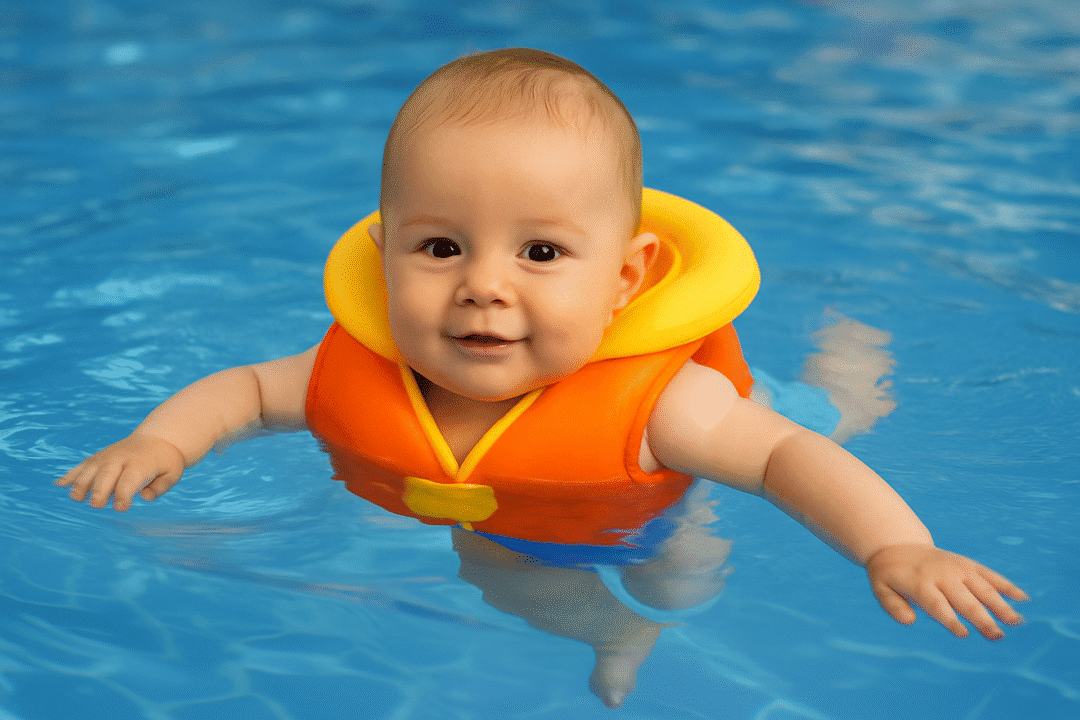
Tiny swimmers often adjust to water faster than adults expect, especially with steady routines designed for their age and comfort level. Early sessions help them recognize water as a familiar space instead of something unpredictable. With consistent infant swimming lessons, children in Springfield VA build habits that stay with them as they grow.
Steady Lesson Routines Supporting Calm Water Awareness
Infants respond well to rhythm, and steady lesson routines help them understand what to expect each time they enter the pool. A predictable structure allows their bodies to settle, reducing the startle response that new environments sometimes trigger. This early sense of stability becomes the foundation of calm water awareness.
Through repeated exposure, infants begin associating water with a slow, steady pace rather than sudden or stressful activity. Springfield swimming lessons that follow structured routines create familiarity, which plays a large role in easing early hesitation during basic aquatic movements.
Gentle Repetition Shaping Early Comfort in the Pool
Repetition is how infants learn patterns, whether it’s recognizing a voice or practicing simple motions. In the pool, gentle repetition—from supported float positions to light submersions—helps them build comfort without pressure. The consistency of these actions allows their reflexes and body awareness to develop naturally.
Each repeated motion strengthens recognition, making future water skills easier to introduce. Swimming lessons in Springfield VA often use soft cues and steady hand placements so infants gradually accept the activity as part of their weekly rhythm.
Familiar Swim Patterns Building Infant Confidence
Infants thrive on familiarity, and repeated swim patterns help them understand what’s happening during each session. Supported kicks, back floats, and guided turns aren’t just skills—they’re confidence builders. With each class, that familiarity reduces uncertainty.
New swimmers often show visible ease once these patterns become routine. This confidence becomes essential later on when introducing transitions, such as moving from assisted holds to more independent movement.
Consistent Guidance Reinforcing Safer Water Responses
Infants learn through cues, tone, and touch, making consistent guidance during lessons incredibly important. Clear instruction helps them connect each movement with a specific response, like lifting their heads or reaching their arms. Over time, these guided reactions convert into instinctive behaviors in the water.
Reliable instruction also reduces confusion. Swimming instructors working with infants maintain the same methods from week to week so young swimmers can process and remember actions that keep them safer around water.
Regular Practice Encouraging Relaxed Body Control
Relaxed body control develops slowly at this age, but regular practice strengthens it with each visit. Controlled breathing, gentle floating, and supported submersion all become easier as infants learn to trust the water around them. This growing comfort helps them stay loose instead of tense during movements.
As they gain exposure, their bodies begin adjusting naturally to buoyancy and simple motions. Springfield swimming lessons that repeat these activities weekly help infants understand how their limbs move differently in water than on land.
Predictable Sessions Nurturing Trust in Water Settings
Predictability gives infants the reassurance they need to relax in an unfamiliar environment. Structured sessions maintain consistent order—warm-up holds, assisted kicks, gradual immersion—allowing infants to anticipate what comes next. This structure helps them form trust in the person guiding them and the water itself.
A trusted environment leads to better engagement during lessons. Over time, infants show more willingness to participate in new skills because they’ve learned the setting remains steady and supportive.
Continued Exposure Strengthening Basic Safety Habits
Continued exposure builds a steady foundation of safety habits that infants internalize early. Simple cues like holding onto the pool wall, responding to instructor signals, or preparing for gentle submersion are all learned through repetition. These habits form the building blocks of water readiness.
Daily life may involve baths or splash time, but structured infant swimming lessons near me incorporate intentional safety-focused movements that aren’t found in casual water play. This repeated exposure strengthens early recognition of safe behavior long before formal swimming begins.
Ongoing Instruction Helping Infants Move Securely in Water
Ongoing instruction in Springfield, VA, reinforces steady progress rather than sporadic improvement. As infants grow, their coordination improves, and instructors adjust the difficulty of movements to keep them learning without overwhelming them. These gradual adjustments help infants move more securely and confidently. Over weeks of consistent lessons, infants begin demonstrating smoother transitions between supported motions and brief moments of more independent movement. This steady progression reflects how well they’ve absorbed the rhythm of their sessions. For families who want professional support, Safe Splash offers structured infant swimming lessons designed to build early water confidence through consistency and gentle repetition.




No Comments