
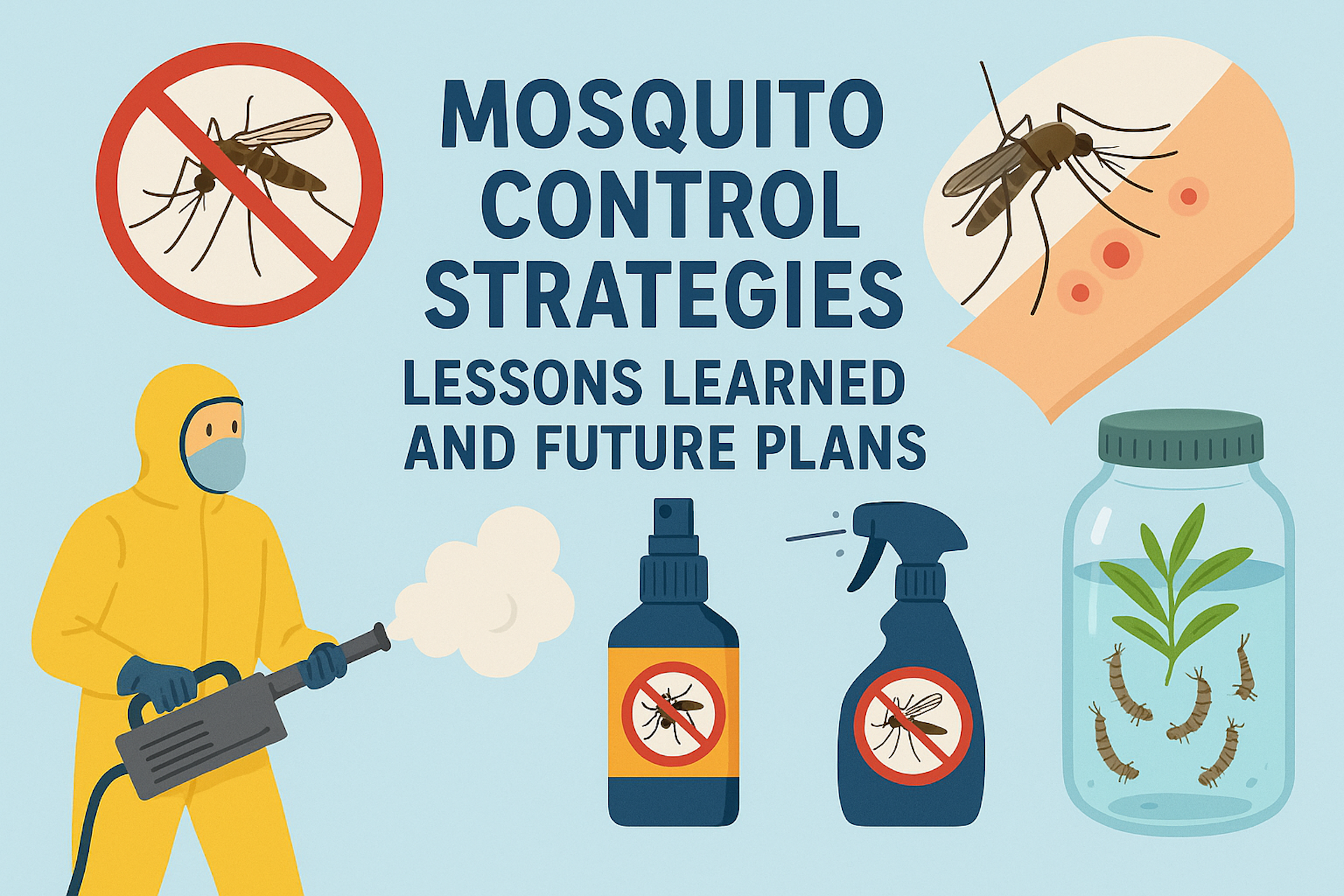
Mosquitoes are more than just a nuisance; they are vectors of deadly diseases such as malaria, dengue fever, Zika virus, and West Nile virus. Over the decades, efforts to control mosquito populations have evolved significantly, incorporating various strategies to mitigate their impact on human health. This article explores the lessons learned from past mosquito control strategies and the future plans that promise to enhance these efforts.
Historical Context and Lessons Learned
Historically, mosquito control has relied heavily on chemical interventions, particularly the use of insecticides like DDT. While effective in the short term, these methods have led to unintended consequences, including environmental damage and the development of resistance among mosquito populations. The lesson here underscores the importance of sustainable practices that balance efficacy with ecological preservation.
In the mid-20th century, eradication programs focusing on habitat destruction, such as draining wetlands, were implemented. This approach highlighted the importance of understanding mosquito ecology and the role of ecosystems. It became evident that such methods could disrupt biodiversity and lead to unforeseen ecological impacts.
Modern Mosquito Control Strategies
Today, integrated mosquito management (IMM) is the gold standard for controlling mosquito populations. IMM combines biological, physical, and chemical tools to manage mosquitoes in an environmentally responsible manner. Key lessons from past initiatives have informed this approach, leading to more sustainable and effective control measures.
Biological Control
Biological control methods involve using natural predators or pathogens to control mosquito populations. This can include introducing fish species that feed on mosquito larvae or deploying bacteria like Bacillus thuringiensis israelensis (Bti), which specifically targets mosquito larvae without harming other organisms. These methods have proven effective and environmentally friendly, paving the way for future innovations.
Genetic Control
Advancements in genetic engineering have opened new avenues for mosquito control. The release of genetically modified mosquitoes that produce non-viable offspring is one promising strategy. This technology has shown potential in reducing mosquito populations in test areas and is likely to play a more significant role in future control efforts.
You may also like to read: 5 Rodent Control Tips to Clear Your Home Fast
Community Engagement and Education
Community involvement is crucial in the success of mosquito control programs. Educating the public on the importance of eliminating standing water and maintaining clean environments can significantly reduce breeding sites. Additionally, community-based initiatives empower individuals to participate in mosquito control, enhancing the overall effectiveness of larger programs.
Future Plans and Innovations
Future plans for mosquito control are focused on innovation and sustainability. The use of drones for surveillance and targeted insecticide application is gaining traction. These technologies offer precision and efficiency, minimizing human exposure to chemicals and reducing environmental impact.
Moreover, research into new insecticide classes and delivery systems continues. These efforts aim to combat resistance and provide safer, more effective options for mosquito management. In parallel, global cooperation and data sharing are essential for tracking mosquito-borne diseases and implementing timely control measures.
Conclusion
As the world continues to combat mosquito-borne diseases, it is vital to learn from past experiences and embrace innovative approaches. Integrated mosquito management, genetic control, and community engagement are key components of successful strategies. By focusing on sustainability and leveraging technological advancements, future mosquito control efforts can protect public health and preserve the environment.
For more information on professional mosquito control services, you can find Pest control near me.




No Comments