
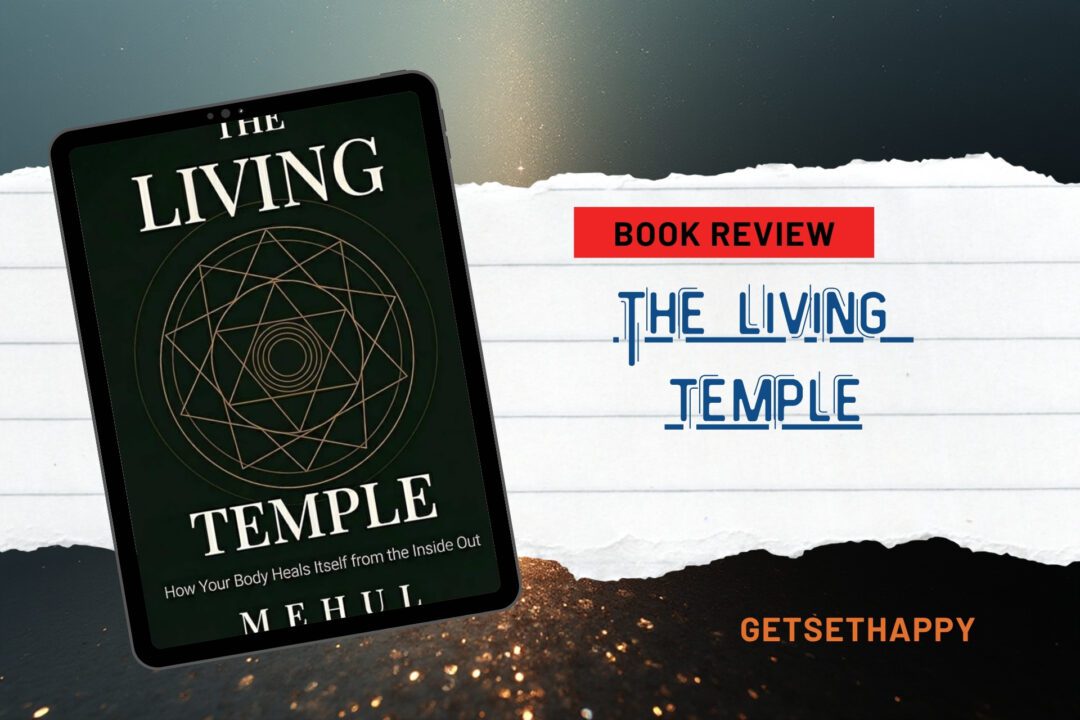
Every once in a while, I come across a book that doesn’t just share ideas—it changes the questions I ask myself. The Living Temple by Mehul Hathi did exactly that. Instead of telling me what was wrong with modern healthcare or promising miraculous cures, it gently asked me to look inward and reconsider something I had rarely thought about: What if my body has been trying to heal me all along, and I simply haven’t been listening?
Through his book, Mehul invites readers to see the body not as a machine that breaks down, but as a living system constantly trying to heal and restore itself. That idea stayed with me long after I finished reading.
The book combines stories, science, and spiritual wisdom in a way that feels personal and conversational. While I didn’t agree with every claim, I appreciated how sincerely the author presents his ideas and encourages readers to become active participants in their own healing journey.
A Fresh Perspective on Mind-Body Healing
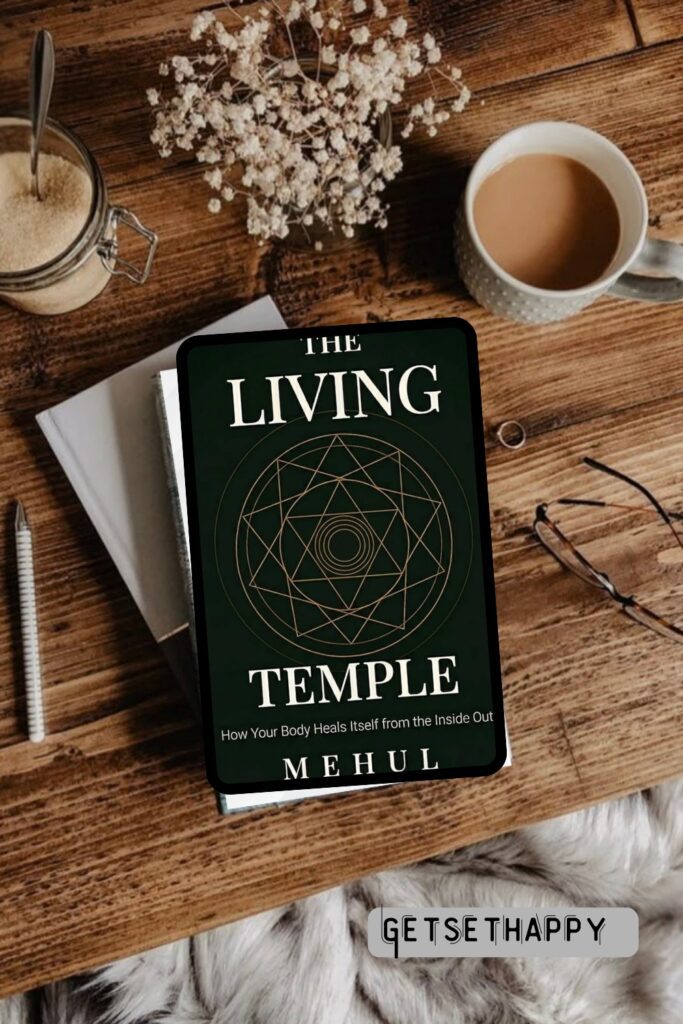
One of the biggest strengths of The Living Temple is its central message: our bodies are always working toward balance and healing. Mehul repeatedly reminds readers that “Nothing is missing, something is blocking.” It is a simple line, but throughout the book he expands it into an entire philosophy of wellness.
The author explores subjects such as neuroplasticity, emotional health, stress, meditation, breathwork, nutrition, and energy healing. He draws from modern fields like neuroscience and psychoneuroimmunology while also referencing Ayurveda, kundalini yoga, and Traditional Chinese Medicine.
As I read, I felt encouraged to think more deeply about the relationship between my thoughts, emotions, and physical health. Even if some of the concepts stretch beyond mainstream science, the book raises questions that are genuinely interesting and worth reflecting on.
Personal Stories That Add Heart and Hope
What makes The Living Temple by Mehul Hathi stand out for me is how personal it feels.
Mehul shares stories from his own life, including his father’s recovery after a serious cardiac event and his experiences supporting his autistic son through various therapies and integrative approaches. These stories add warmth and emotional depth to the book.
I never felt like the author was preaching or trying to sell a miracle cure. Instead, he writes as someone who has witnessed healing in unexpected ways and wants to understand why it happens.
That honesty made the book more relatable. I found myself connecting not only with the ideas but also with the hope that runs through every chapter. In a genre that sometimes feels repetitive or overly commercial, this sincerity is refreshing.
Ancient Wisdom Meets Modern Science
One aspect I genuinely enjoyed was the way the author tries to bridge the gap between ancient healing systems and modern science.
The book moves comfortably between subjects like meditation and neuroscience, chakras and emotional health, breathwork and the nervous system. Rather than presenting them as opposing ideas, Mehul argues that they are different ways of understanding the same human experience.
Of course, this is also where readers may have different opinions. Some sections lean heavily on emerging theories and concepts that are still debated within scientific communities. At times, I wished there were more references or stronger evidence supporting certain claims.
However, I never felt pressured to accept everything as absolute truth. I approached the book with curiosity, taking what resonated with me and leaving room for my own questions. In many ways, I think that is exactly how this book is meant to be read.
Is The Living Temple Worth Reading?
For me, the answer is a Big YES!
What I admired most about The Living Temple is its optimism. In a world where health advice often feels overwhelming or fear-driven, this book offers a gentler message: your body is not your enemy. It is always trying to help you, and small daily choices can create meaningful change over time.
I finished the book feeling more hopeful and more aware of the connection between my mind, emotions, and physical well-being. I may not agree with every idea presented, but I genuinely enjoyed the journey.
If you enjoy books about holistic healing, mind-body wellness, personal growth, or the relationship between emotions and physical health, I think The Living Temple is worth adding to your reading list. It is thoughtful, inspiring, and filled with ideas that encourage you to see your body—and yourself—in a new light. The book is all set to go live on 11-July-2026. You can pre-book your copy here—> The Living Temple by Mehul Hathi.
About the Author
Mehul is a behavioral researcher and lifelong student of the connection between ancient wisdom and modern science. His interest in healing grew from deeply personal experiences, including witnessing his father’s recovery after a cardiac event and supporting his son through a complex developmental journey. Drawing from fields such as neuroscience, epigenetics, psychoneuroimmunology, Ayurveda, kundalini yoga, and Chinese medicine, he brings together diverse perspectives in The Living Temple. This is his debut book, and it reflects both his years of research and his belief in the body’s remarkable capacity to heal.
The Living Temple by Mehul: A Thought-Provoking Guide to Mind-Body Healing
Meta Description:
Read my honest review of The Living Temple by Mehul, a powerful blend of ancient wisdom and modern healing insights.
Excerpt:
In The Living Temple, Mehul invites readers to rethink health, healing, and the incredible intelligence of the human body. Here’s my honest review.
The Living Temple by Mehul Book Review: A Journey Into the Body’s Hidden Healing Power
Every once in a while, I come across a book that doesn’t just share ideas—it changes the questions I ask myself. The Living Temple by Mehul did exactly that. Instead of telling me what was wrong with modern healthcare or promising miraculous cures, it gently asked me to look inward and reconsider something I had rarely thought about: What if my body has been trying to heal me all along, and I simply haven’t been listening?
I picked up this book expecting another wellness guide filled with familiar advice about eating better, meditating more, and thinking positively. Instead, I found something much deeper. Mehul invites readers to see the body not as a machine that breaks down, but as a living system constantly trying to heal and restore itself. That idea stayed with me long after I finished reading.
The book combines stories, science, and spiritual wisdom in a way that feels personal and conversational. While I didn’t agree with every claim, I appreciated how sincerely the author presents his ideas and encourages readers to become active participants in their own healing journey.
A Fresh Perspective on Mind-Body Healing
One of the biggest strengths of The Living Temple is its central message: our bodies are always working toward balance and healing. Mehul repeatedly reminds readers that “nothing is missing, something is blocking.” It is a simple line, but throughout the book he expands it into an entire philosophy of wellness.
The author explores subjects such as neuroplasticity, emotional health, stress, meditation, breathwork, nutrition, and energy healing. He draws from modern fields like neuroscience and psychoneuroimmunology while also referencing Ayurveda, kundalini yoga, and Traditional Chinese Medicine.
As I read, I felt encouraged to think more deeply about the relationship between my thoughts, emotions, and physical health. Even if some of the concepts stretch beyond mainstream science, the book raises questions that are genuinely interesting and worth reflecting on.
Personal Stories That Add Heart and Hope
What makes The Living Temple stand out for me is how personal it feels.
Mehul shares stories from his own life, including his father’s recovery after a serious cardiac event and his experiences supporting his autistic son through various therapies and integrative approaches. These stories add warmth and emotional depth to the book.
I never felt like the author was preaching or trying to sell a miracle cure. Instead, he writes as someone who has witnessed healing in unexpected ways and wants to understand why it happens.
That honesty made the book more relatable. I found myself connecting not only with the ideas but also with the hope that runs through every chapter. In a genre that sometimes feels repetitive or overly commercial, this sincerity is refreshing.
Ancient Wisdom Meets Modern Science
One aspect I genuinely enjoyed was the way the author tries to bridge the gap between ancient healing systems and modern science.
The book moves comfortably between subjects like meditation and neuroscience, chakras and emotional health, breathwork and the nervous system. Rather than presenting them as opposing ideas, Mehul argues that they are different ways of understanding the same human experience.
Of course, this is also where readers may have different opinions. Some sections lean heavily on emerging theories and concepts that are still debated within scientific communities. At times, I wished there were more references or stronger evidence supporting certain claims.
However, I never felt pressured to accept everything as absolute truth. I approached the book with curiosity, taking what resonated with me and leaving room for my own questions. In many ways, I think that is exactly how this book is meant to be read.
Is The Living Temple Worth Reading?
For me, the answer is yes.
What I admired most about The Living Temple is its optimism. In a world where health advice often feels overwhelming or fear-driven, this book offers a gentler message: your body is not your enemy. It is always trying to help you, and small daily choices can create meaningful change over time.
I finished the book feeling more hopeful and more aware of the connection between my mind, emotions, and physical wellbeing. I may not agree with every idea presented, but I genuinely enjoyed the journey.
If you enjoy books about holistic healing, mind-body wellness, personal growth, or the relationship between emotions and physical health, I think The Living Temple is worth adding to your reading list. It is thoughtful, inspiring, and filled with ideas that encourage you to see your body—and yourself—in a new light.
About the Author
Mehul is a behavioral researcher and lifelong student of the connection between ancient wisdom and modern science. His interest in healing grew from deeply personal experiences, including witnessing his father’s recovery after a cardiac event and supporting his son through a complex developmental journey. Drawing from fields such as neuroscience, epigenetics, psychoneuroimmunology, Ayurveda, kundalini yoga, and Chinese medicine, he brings together diverse perspectives in The Living Temple. This is his debut book, and it reflects both his years of research and his belief in the body’s remarkable capacity to heal.




No Comments