
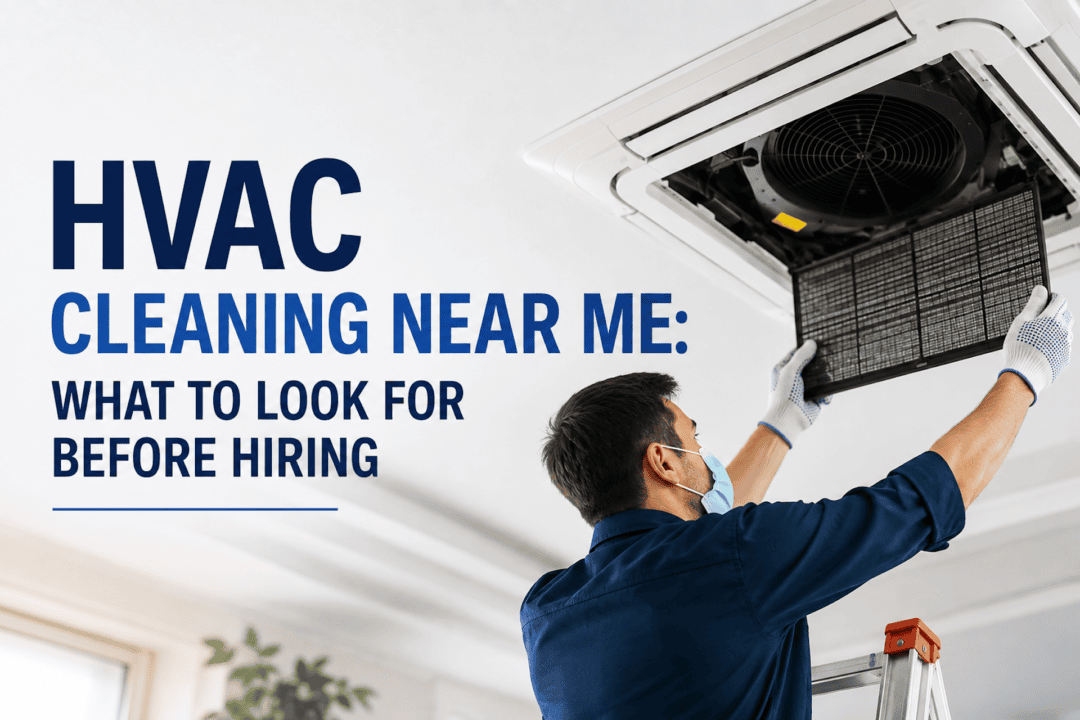
A low price tells homeowners very little about what an HVAC cleaning appointment actually covers. Service packages can differ in the number of ducts, system components, access points, and cleaning methods included. Careful review helps a customer compare estimates fairly and avoid paying for a vent-only service that leaves much of the airflow path untouched.
Start by Identifying Every Part of the System Included
Written estimates should name the supply ducts, return lines, main trunks, registers, grilles, plenums, and accessible equipment areas covered by the price. Vague phrases such as “whole-house service” can mean different things from one contractor to another.
Homeowners should also confirm how many HVAC systems the quote includes. Larger properties may have separate units for different floors, additions, or finished basements, and each system can require its own equipment setup.
Does the Estimate Cover Both Supply and Return Ducts?
Supply branches deliver heated or cooled air into rooms, while return pathways carry indoor air back to the equipment. Cleaning only the supply side leaves a major part of the circulation route unaddressed.
Return sections often collect substantial lint, pet hair, carpet fibers, and household dust because they constantly draw room air inward. Anyone searching for HVAC cleaning near me should ask whether large return trunks and framed return-air cavities appear in the written scope.
Check Which HVAC Components Receive Direct Attention
Dust can settle beyond the ductwork inside filter compartments, blower cabinets, air-handler surfaces, and accessible plenums. Certain companies include these areas, while others charge separately or refer equipment cleaning to a licensed HVAC technician.
Customers need clear wording that distinguishes duct cleaning from coil washing, blower service, drain-pan care, or mechanical maintenance. Mixing those tasks under one broad label makes it difficult to understand what technicians will actually do.
Ask How the Crew Plans to Remove the Debris
Professional source removal usually combines commercial suction with tools that loosen deposits from interior surfaces. Negative-air machines, HEPA-filtered vacuums, compressed-air whips, and suitable brushes each serve a different purpose.
Contractors should explain how their method moves released debris into sealed collection equipment rather than scattering it through nearby rooms. A company that plans to vacuum only around register openings may not reach contamination deeper inside the system.
Access Points Can Determine How Thorough the Work Will Be
Long trunk lines and concealed plenums are not always reachable through wall or floor registers. Controlled service openings may give technicians better access for larger hoses, inspection cameras, and agitation equipment.
Crews must close those openings correctly after HVAC cleaning ends. Secure panels, proper fasteners, and compatible sealing materials help prevent leaks that could pull dust from attics, crawl spaces, or wall cavities.
What Protection Is Provided for Floors, Walls, and Furniture?
Large hoses and wheeled machines can mark trim, scratch flooring, or track debris through the house without proper preparation. Floor runners, drop cloths, corner guards, hose sleeves, and sealed registers reduce those risks.
Residents should ask whether the team moves furniture or expects the work areas to be cleared beforehand. Straightforward preparation instructions make the appointment easier and protect fragile items near vents, hallways, and equipment rooms.
Inspection Details Reveal How the Company Builds Its Plan
Initial checks should identify duct materials, visible buildup, moisture stains, pest evidence, damaged insulation, and disconnected sections. These findings influence whether brushes, air tools, direct vacuuming, or another method can be used safely.
Camera images can provide useful proof of conditions beyond the first few inches of a vent. Before scheduling HVAC cleaning in Brentwood TN, homeowners may request an explanation of how technicians inspect hidden areas and document their work.
Read the Limits and Exclusions Before Approving the Quote
Certain conditions may fall outside routine cleaning, including active pest infestations, wet insulation, suspected widespread mold, inaccessible ducts, or major structural damage. Estimates should explain what happens if technicians discover one of these problems.
Additional charges deserve the same attention. Travel fees, extra systems, difficult access, oversized returns, sanitizer applications, and component cleaning should not appear as surprises after the crew arrives.
Compare Pricing by System Scope, Not Vent Count Alone
Vent-based pricing may look simple, but the number of registers does not always reflect the size or difficulty of the duct network. Two homes with similar vent counts can have very different trunk layouts, equipment locations, and access conditions.
Fair comparisons require matching the same service categories across each estimate. Homeowners should review included systems, cleaning methods, return pathways, equipment areas, access work, protection measures, and final cleanup before choosing a provider.
Chemical Treatments Should Be Listed as Separate Services
Sanitizers, deodorizers, and sealants do not replace the physical removal of dust and debris. Any proposed product should have a stated purpose, approved application, and clear explanation of its limits.
Technicians should obtain permission before applying chemicals inside the HVAC system. Automatic add-ons or broad claims about mold, allergies, and indoor air quality deserve closer questioning before the customer agrees.
Final Cleanup and System Reassembly Belong in the Scope
Registers should return to their original positions, access panels should remain secure, and debris around the work area should be removed. Protective coverings also need to be collected without releasing trapped dust onto nearby surfaces.
Post-service checks may include operating the HVAC system, confirming that covers sit correctly, and reviewing visible results with the homeowner. Documentation gives the customer a clearer record than a simple statement that the work is complete.
Know What the Company Will Report After the Appointment
Useful service records can list the areas cleaned, equipment used, access points created, and unusual conditions found. Photos may also show heavy deposits, damaged duct materials, or sections that could not be safely reached.
Reliable contractors separate cleaning findings from repair recommendations instead of using vague warnings to sell extra work. That distinction helps homeowners decide whether a licensed HVAC technician, pest professional, or moisture specialist should inspect a separate issue.
A Clear Scope Makes Estimates Easier to Compare
Detailed proposals reduce misunderstandings by showing where the work begins and ends. Written terms also give homeowners a practical way to confirm that the completed service matches what they approved.
Brentwood Air Duct Cleaning can help Brentwood homeowners understand the scope of a proposed HVAC cleaning service before work starts. Their team can explain included duct sections, cleaning equipment, access needs, home-protection steps, and system-specific limits so customers can review the plan with clearer expectations.
You may also like to read: How to Choose the Best HVAC System for Your Home?



No Comments