
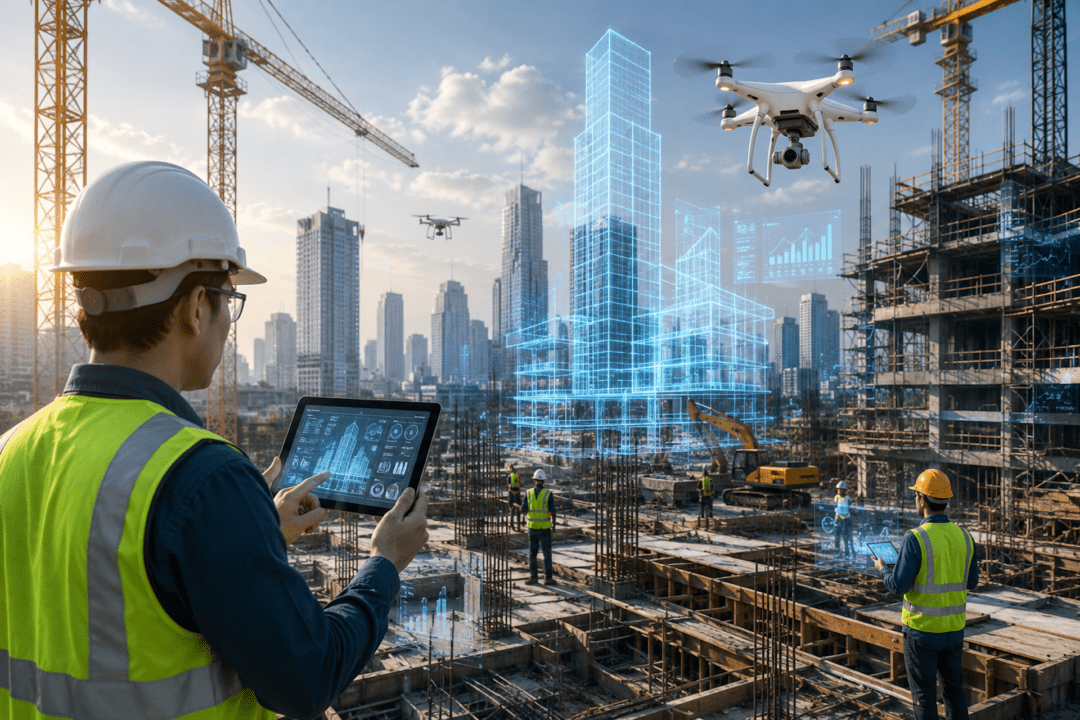
Massive construction projects are reshaping how nations move people, distribute resources, support technology, and strengthen infrastructure. Modern mega-projects now involve far more than large budgets and impressive structures; they require advanced planning, international coordination, and long-term thinking. Construction organizations that understand these shifts are helping define what the next generation of global development will look like.
Larger Projects Are Becoming More Technically Complex
Today’s mega-projects often combine transportation systems, utilities, digital infrastructure, security requirements, and sustainability goals into a single development effort. Unlike projects of previous decades, many modern builds must support multiple functions simultaneously while remaining adaptable for future growth.
Complexity creates new demands for project management teams. Success increasingly depends on coordination between engineers, contractors, government agencies, technology specialists, and operational stakeholders who all contribute to the final outcome.
Infrastructure Investment Is Expanding Across Global Markets
Governments worldwide continue investing in transportation networks, defense facilities, logistics hubs, ports, airports, and utility systems designed to support growing populations and economic activity. These investments create opportunities for experienced construction organizations capable of delivering large-scale solutions.
Demand for infrastructure improvements extends beyond major cities. Emerging markets and developing regions are also pursuing projects that improve connectivity, strengthen public services, and support future development objectives.
Digital Construction Tools Are Reshaping Project Delivery
Technology has become a central part of modern construction planning and execution. Digital modeling, real-time reporting systems, drone inspections, and data-driven project management tools help teams monitor progress with greater accuracy than ever before.
Construction leaders increasingly rely on information rather than assumptions. Better visibility into schedules, resources, and project conditions often improves decision-making throughout the construction lifecycle.
Sustainability Is Becoming Part of Long-Term Planning
Environmental considerations now influence many large construction projects from the earliest design stages. Energy efficiency, material selection, water management, and long-term operational performance frequently become part of project requirements.
Clients often evaluate facilities based on lifecycle performance rather than initial construction alone. Sustainable planning helps support operational goals while improving long-term asset value and efficiency.
Supply Chain Strategy Is Receiving Greater Attention
Recent global disruptions highlighted how dependent large projects can be on procurement and logistics. Delays involving equipment, materials, or transportation can affect schedules across multiple phases of construction.
Project teams increasingly develop procurement strategies earlier than in the past. Strong supply chain planning helps reduce uncertainty and supports more predictable project execution.
Security Requirements Continue to Influence Major Developments
Many large projects support government operations, defense initiatives, transportation networks, and critical infrastructure. These environments often require specialized construction expertise and strict compliance standards.
Navigator International government construction projects frequently operate within sectors where security, accountability, and operational continuity play an important role. Construction organizations working in these environments must understand requirements that extend beyond traditional building practices.
International Collaboration Is Driving Project Success
Mega-projects rarely involve a single organization working independently. Engineers, designers, contractors, consultants, and stakeholders from multiple countries often contribute specialized expertise throughout project development.
Collaboration helps organizations access broader technical capabilities and resources. International partnerships also support innovation by bringing together different perspectives and experiences from around the world.
Workforce Development Is Becoming a Competitive Advantage
Construction technology continues evolving, but skilled professionals remain essential to project success. Organizations investing in workforce training, leadership development, and technical education often position themselves for stronger long-term performance.
Talent shortages in certain regions have increased the importance of employee development programs. Companies that build strong teams are often better prepared to manage large and technically demanding projects.
Risk Planning Is Moving Closer to the Front End
Modern project leaders spend significant time identifying potential challenges before construction begins. Financial risks, environmental concerns, labor availability, logistics constraints, and regulatory requirements all influence project planning.
Proactive risk assessment allows organizations to prepare solutions before problems emerge. This approach often improves schedule reliability while helping projects remain aligned with long-term objectives.
Government Construction Continues to Shape Future Growth
Public-sector projects remain a major force behind infrastructure expansion worldwide. Military facilities, transportation systems, public works projects, and mission-support environments continue driving demand for experienced contractors.
Organizations operating in these sectors must balance performance, compliance, safety, and operational priorities. Nav Int understands the unique responsibilities associated with government-focused construction and the importance of delivering facilities that support broader mission objectives.
Global Construction Teams Are Expanding Their Strategic Role
Construction companies are increasingly involved in planning, logistics, risk management, sustainability initiatives, and operational strategy. Their role now extends beyond building structures to helping clients solve complex infrastructure challenges.
This broader responsibility requires organizations to combine technical expertise with business insight. Navigator International Global Construction teams contribute value by helping clients address large-scale development goals while maintaining focus on quality, efficiency, and long-term performance.
Future Projects Will Demand Greater Adaptability
Economic conditions, technological advancements, population growth, and infrastructure demands will continue influencing construction priorities over the coming decades. Organizations capable of adapting to changing conditions will be better positioned to support future development initiatives.
Experience, flexibility, and disciplined execution remain valuable regardless of how construction trends evolve. Navigator International Construction Company continues supporting large-scale projects through strategic planning, global expertise, and construction capabilities designed to meet the changing demands of modern infrastructure development. Navigator International remains focused on delivering solutions that help clients move ambitious projects from concept to completion across an increasingly connected world.




No Comments