
Table of Contents
- Why Replace an Exterior Door?
- Signs a Door Needs Attention
- Comparing Door Materials
- Energy Performance and Weather Protection
- Style, Glass, and Security
- Measurements and Installation
- Budgeting and Shopping Checklist
- Common Questions
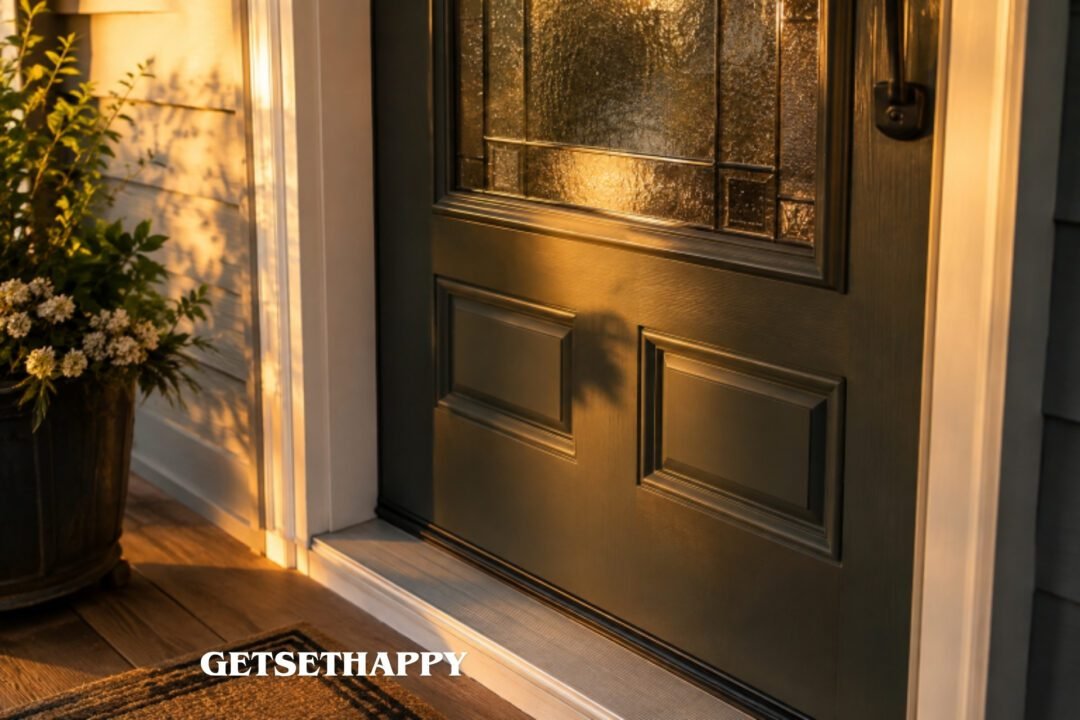
Choosing a new exterior door is about more than updating a home’s appearance. In Greensboro, changing temperatures, summer humidity, rain, and seasonal cold snaps can expose weak seals, worn thresholds, and aging frames. Homeowners researching replacement doors should evaluate the entire opening, including the slab, frame, weatherstripping, glass, hardware, and installation method.
A well-chosen door can improve daily comfort, help manage unwanted drafts, add privacy, and enhance security. The right option depends on where the door is located, how much sun and weather it receives, the desired maintenance level, and the home’s architectural style. For those in the Greensboro area, resources such as replacement doors in Greensboro can offer local insights and options.
Why Replace an Exterior Door?
Exterior doors serve as barriers between indoor spaces and the outdoors. A door that no longer closes evenly or seals properly can allow air and moisture around the opening. Cosmetic updates, such as paint or a new handle, may refresh the appearance, but they cannot correct rot, warping, damaged frames, or an uneven threshold.
Doors also work alongside nearby windows to shape daylight, privacy, ventilation, and the visual balance of a home’s exterior. Considering these elements together can help avoid a front entry, side entrance, or patio opening that looks disconnected from the rest of the house.
Signs a Door Needs Attention
A door does not always need full replacement, but certain conditions deserve a close inspection. Watch for visible daylight around a closed door, drafts at the edges or threshold, water stains, swollen wood, cracked glass, loose hinges, and locks that no longer latch smoothly. A door that drags, sticks, or has uneven gaps may indicate wear in the slab, hinges, frame, or surrounding structure.
Noise entering more easily than before can also be worth noting. While no ordinary exterior door eliminates outdoor sound, deteriorated seals and gaps can reduce the opening’s ability to separate indoor and outdoor spaces.
Comparing Door Materials
Fiberglass Doors
Fiberglass is often selected for its resistance to moisture and relatively low maintenance needs. Many fiberglass doors feature molded surfaces that resemble painted or stained wood. This can be practical for Greensboro homeowners who want a traditional appearance without committing to frequent refinishing.
Steel Doors
Steel doors are commonly valued for strength and can be an economical choice for many entries. Finish quality, insulation, and proper maintenance matter. Scratches or dents should be repaired promptly because exposed metal may be more vulnerable to corrosion over time.
Wood Doors
Wood brings natural grain, warmth, and a custom appearance that suits many traditional homes. It also needs regular inspection and finish care. Sun, rain, and humidity can affect wood, especially at exposed entrances, so sealing and refinishing are important parts of ownership.
Energy Performance and Weather Protection
Energy performance depends on more than just the door center. Insulation, glass, weatherstripping, thresholds, frame, and installation all influence comfort. The U-factor shows heat transfer, while the solar heat gain coefficient indicates solar heat passage. Ratings vary by orientation and climate. When comparing products, consider climate-specific guidance; a high rating doesn’t guarantee performance if installation is poor. Air sealing remains vital after installation. Older, uninsulated, or poorly installed doors may leak, so replacement should address both the door and the opening.
Style, Glass, and Security
Exterior doors should complement the home, with traditional styles suited to raised panels and restrained glass. Craftsman styles pair well with simple divided lites, and modern homes accommodate flush panels, clean lines, and larger glass areas. Color, porch posts, trim, brick, siding, and roof tones impact overall appearance, especially in sunlight and at night. Glass creates openness; sidelites widen narrow doorways; transoms bring light to taller foyers. However, more glass needs cleaning and can reduce privacy, with options like clear, textured, tinted, and privacy glass offering different tradeoffs. Ensure glass is rated for its location and placement to avoid unwanted views. Security involves a deadbolt, strike plate, hinges, and framing. Keypads and smart locks offer convenience but require consideration of battery life, backup options, and privacy.
Measurements and Installation
Accurate measurements prevent costly mistakes. Record slab width, height, jamb depth, rough-opening dimensions, swing direction, hinge side, threshold height, nearby trim or wall clearances, sidelites, transoms, flooring transitions, and unusual framing when replacing a full frame. Inspect the opening, remove the old unit, repair any damage, set the new frame level, square, and plumb, then seal and adjust the door. Poor alignment causes sticking, uneven gaps, drafts, and latch issues. Clarify if the estimate includes disposal, trim, flashing, repairs, and warranties before starting.
Budgeting and Shopping Checklist
The total cost of an exterior door project includes more than the panel. Material, size, glass, sidelites, hardware, frame components, removal, repairs, trim work, permits, and labor can all affect the final figure. Compare written estimates line by line rather than relying on a starting price.
- Identify the door’s job, such as front entry, side access, garage access, or patio connection.
- List the problems that need to be solved, including drafts, damage, privacy, or difficult operation.
- Choose a material based on weather exposure, maintenance expectations, appearance, and budget.
- Confirm swing direction, jamb depth, threshold height, and rough-opening requirements.
- Review glass, weatherstripping, locks, hinges, frame construction, and published ratings.
- Ask how hidden water damage or framing repairs will be handled if discovered.
Common Questions About Exterior Doors
What is the best material for an exterior door?
There is no universal best choice. Fiberglass, steel, and wood can all work well when matched to the entry’s exposure, desired appearance, maintenance tolerance, security needs, and budget.
Can a new door help with drafts?
It can, particularly when the existing door, frame, threshold, or weatherstripping is worn. Correct installation and sealing are essential for solving draft concerns.
Should the frame be replaced, too?
A full-frame replacement is often worth considering when the existing frame is damaged, rotted, out of square, or poorly sealed. In some situations, a slab-only replacement may be possible if the frame is sound and compatible.
How long does installation take?
Timing varies with the door type, opening condition, custom features, trim needs, and any repairs found after removal. A straightforward opening may require less work than one with concealed water damage or framing issues.



No Comments