
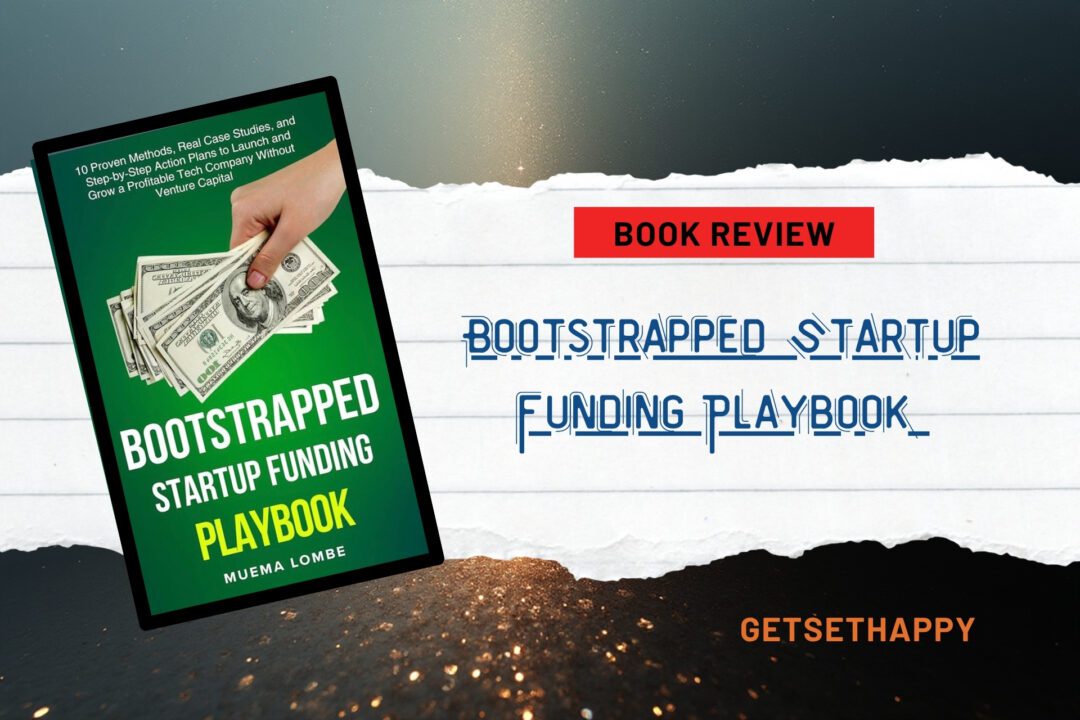
I’ve always believed that building something meaningful shouldn’t come at the cost of losing control over it. But somewhere along the way, the startup world made us feel like raising funding is the only way forward. This book gently, yet powerfully, challenges that belief—and honestly, it felt like a breath of fresh air.
Bootstrapped Startup Funding Playbook isn’t just another business book filled with jargon. It’s practical, grounded, and surprisingly reassuring. It reminded me that slow, steady, and intentional growth is not only valid—it can be incredibly powerful.
Why Bootstrapping Is a Powerful Alternative to Venture Capital?
One of the strongest ideas in this book is simple: you don’t need investors to build something valuable. The author breaks down how many successful companies quietly grew without VC funding, focusing instead on customers, profits, and sustainability.
What stayed with me was this—bootstrapping gives you control. You’re not building for pitch decks; you’re building for real people. And that shift in mindset changes everything.
Instead of chasing rapid growth at all costs, the book encourages building a business that can survive, adapt, and actually make money. In today’s uncertain economy, that advice feels more relevant than ever.
10 Proven Startup Funding Strategies That Actually Work
This isn’t theory. The book lays out multiple real, actionable ways to fund your startup without relying on external investors.
From using personal savings to reinvesting customer revenue, from consulting work to crowdfunding—the strategies are practical and clearly explained. What I loved most is that each method comes with real-life case studies and step-by-step guidance.
It doesn’t overwhelm you. Instead, it gives you options—so you can choose what fits your situation, your risk level, and your goals.
Real Startup Case Studies That Make It Relatable
This is where the book truly shines.
Stories of companies like Mailchimp and Basecamp aren’t just inspiring—they feel real. These weren’t overnight successes. They were built patiently, often as side projects, funded through small but smart decisions.
Reading these stories made me realize something important: success doesn’t always look loud. Sometimes, it grows quietly in the background, powered by consistency and clarity.
And honestly, that felt comforting.
A Practical Step-by-Step Roadmap for Founders
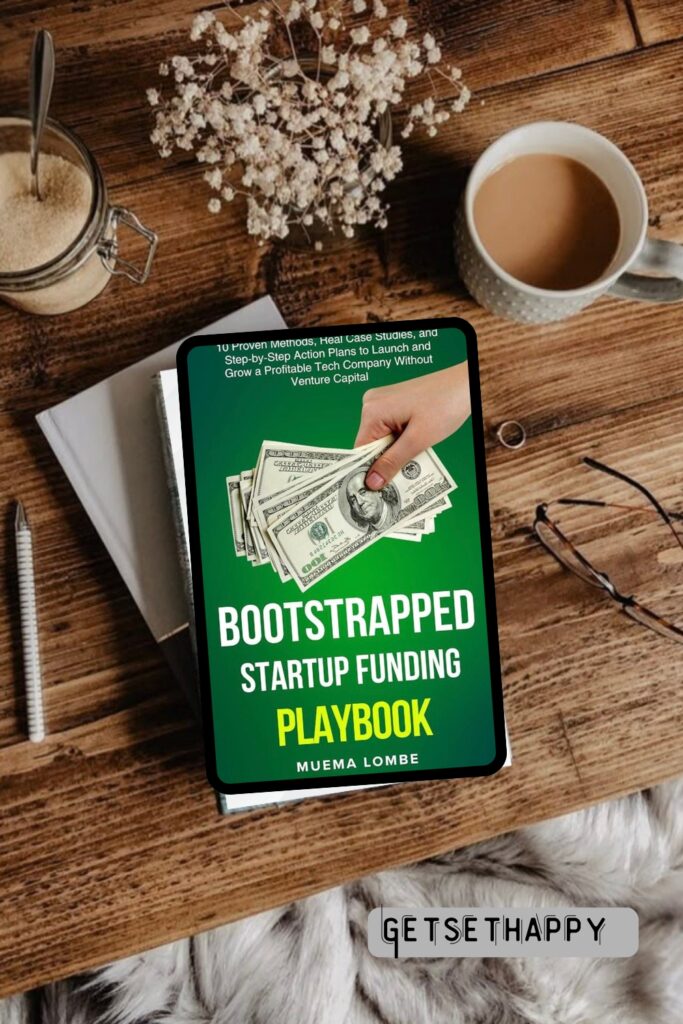
What makes this book different is how actionable it is.
It doesn’t just tell you what to do—it shows you how. Whether it’s setting a financial runway, building a minimum viable product, or creating a simple revenue model, the guidance is clear and doable.
I especially appreciated the 30/60/90-day roadmap at the end. It gives you a starting point, which is often the hardest part when you’re building something from scratch.
This book feels like a mentor sitting beside you, helping you think clearly instead of rushing blindly.
Who Should Read This Book?
If you’re a founder, aspiring entrepreneur, or even someone dreaming of starting something of your own—this book is worth your time.
It’s not for people looking for shortcuts or “get rich quick” hacks. But if you’re willing to build patiently, stay grounded, and focus on real value, this book will guide you beautifully.
For me, it wasn’t just informative—it was reassuring. It reminded me that there’s more than one way to succeed. And sometimes, the quieter path is the stronger one. Grab your copy of the book on Amazon—> Bootstrapped Startup Funding Playbook
About the Author
Muema Lombe is a Silicon Valley-based angel investor, startup advisor, and entrepreneur with over a decade of experience in the startup ecosystem. Having reviewed more than 1,000 pitch decks and invested in multiple startups, he brings deep, practical insight into what actually works in building and funding a business. His approach in this book reflects clarity, real-world experience, and a strong belief in sustainable, founder-led growth.
Discover more informative books that add value to your business and life in the Book Review section.



No Comments