
Key Takeaways
- Assess the tree’s health and stability before removal.
- Understand the potential risks of do-it-yourself tree removal.
- Follow a clear step-by-step process for safe tree removal.
- Know when hiring professional services is necessary.
- Complete post-removal care to protect your landscape.
Table of Contents
- Assessing Tree Health and Stability
- Risks of DIY Tree Removal
- Step-by-Step Guide to Safe Tree Removal
- When to Hire Professional Tree Removal Services
- Post-Removal Care and Maintenance
- Conclusion
Removing a tree from your property is a significant decision that involves both planning and safety precautions. Whether you are tackling an overgrown, diseased, or hazardous tree, knowing what steps to take is crucial to protect both your property and the people around it. If you are considering tree removal, understanding safe processes and recognizing potential risks are important first steps.
Tree removal should not be approached lightly. From assessing the health of the tree to evaluating hazards on your property, there are various factors to weigh before any work begins. This guide outlines best practices for safe tree removal, including when to call professionals.
DIY efforts can sometimes seem cost-effective, but improper handling can cause injury, property damage, or legal issues. Homeowners who act with safety and preparation in mind are more successful in managing the landscape while avoiding preventable risks.
When removing a tree, attention should also be given to managing the leftover stump. If you are trying to reclaim space or finish yard restoration, considering tree stump grinding is a necessary follow-up step to complete the work and prevent future hazards or regrowth.
Assessing Tree Health and Stability
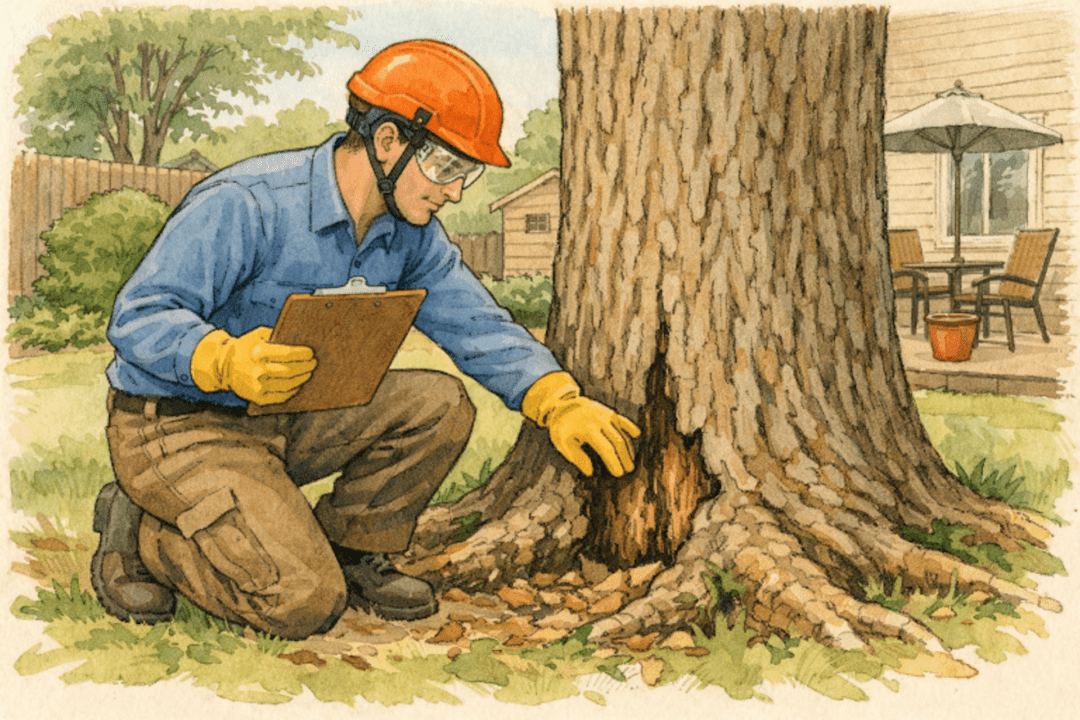
Before removing any tree, evaluate its condition and potential hazards. Indications that removal may be necessary include extensive deadwood in the upper canopy, large sections of missing bark, vertical cracks in the trunk, or widespread fungal growth, especially near the roots. Trees displaying a pronounced lean or exposed, unstable roots can pose an immediate threat to structures or power lines.
Seeking input from a certified arborist ensures a thorough inspection and can help rule out alternatives to removal, such as trimming or disease management. Arborists can also spot internal decay or pest problems that are not immediately visible, reducing the risk for homeowners who are untrained in tree diagnostics.
Risks of DIY Tree Removal
Many homeowners try removing small trees themselves, but this can be hazardous. Common accidents include falls from ladders, chainsaw injuries, and falling limbs. Improper felling can also damage homes, vehicles, or fences, especially near power lines or overhanging houses. Legally, homeowners may face liability if removal affects neighbors or violates local laws. Regulations vary, with some requiring permits or evaluations for protected species or large removals.
Step-by-Step Guide to Safe Tree Removal
For those prepared to move forward with removal, following a careful sequence is essential:
- Plan the Fall Direction: Assess the area and determine the safest way for the tree to fall, accounting for wind direction, tree lean, and obstacles such as buildings, pathways, and utility lines.
- Establish a Safety Perimeter: Create a zone at least twice the height of the tree, free from bystanders, pets, and movable items. Clear access routes for easy escape if needed.
- Use Proper Equipment: Safety gear, including a helmet, gloves, goggles, and sturdy boots, is non-negotiable. Check that chainsaws are sharp and functioning, and keep additional hand tools as backups.
- Make Precise Cuts: Begin with a notch cut facing the direction the tree should fall. On the opposite side, a back cut is made parallel and slightly above the notch. A small hinge of wood should remain to guide the tree’s descent.
- Retreat Safely: As the tree begins to fall, immediately retreat along a pre-determined route at a 45-degree angle away from the falling direction.
When to Hire Professional Tree Removal Services
Certain situations call for professional intervention. Tree removal should always be handled by experts if the tree is larger than you or your equipment can safely manage, is near high-voltage power lines, or needs advanced climbing techniques and rigging. Likewise, if there are visible pests or signs of extensive decay, specialized removal techniques may be required to prevent the spread of infestations or to handle fragile timber that could break unexpectedly.
Trained professionals are insured and experienced in handling tricky removals, helping limit risk for both property and people. Most licensed services also offer site clearing and disposal, ensuring your landscape is restored efficiently and thoroughly.
Post-Removal Care and Maintenance
Once the tree is removed, the remaining stump can become a tripping hazard or attract pests. Grinding down the stump prevents regrowth and prepares the area for new plantings or sod. Filling the hole left behind with high-quality soil is important for both aesthetics and safety, as uneven ground can pose hazards to lawn equipment or children playing in the yard.
Ongoing tree health monitoring is also recommended. Regular inspections help identify potential hazards early, such as disease or stress in surrounding trees, so you can take proactive action and maintain a safe environment. Landscape care does not end with the removal; ongoing maintenance keeps trees healthy and yards safe for years to come.
Conclusion
Safe tree removal starts with assessing the tree’s condition and understanding risks. While smaller projects may seem manageable, injuries, property damage, and legal issues highlight the need for professional guidance. Knowing when to proceed or seek experts ensures safety and success. Following proper procedures, using the right equipment, and prioritizing safety help homeowners reduce risks. After removal, site care and monitoring of nearby trees maintain a healthy landscape. Responsible tree removal safeguards property and promotes long-term safety and beauty.




No Comments